STM Homilies
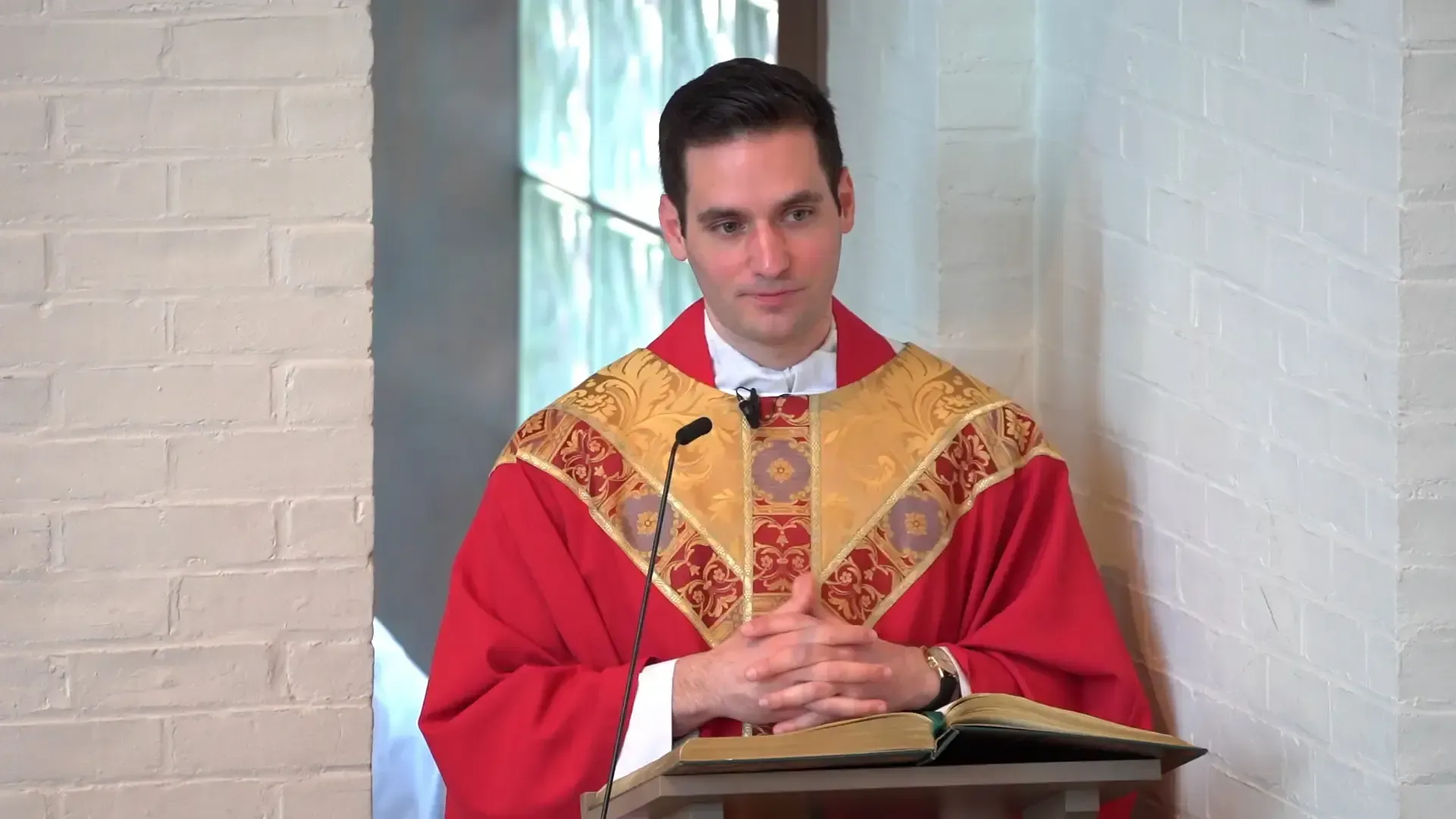
The transcript below was created using machine transcription technology to make this homily more accessible. While we have made every effort to ensure accuracy, automated transcriptions may contain errors, particularly with theological terms and Scripture references. The spoken homily in the video above, delivered by the celebrant during Mass, remains the authoritative presentation.
Homily Transcription
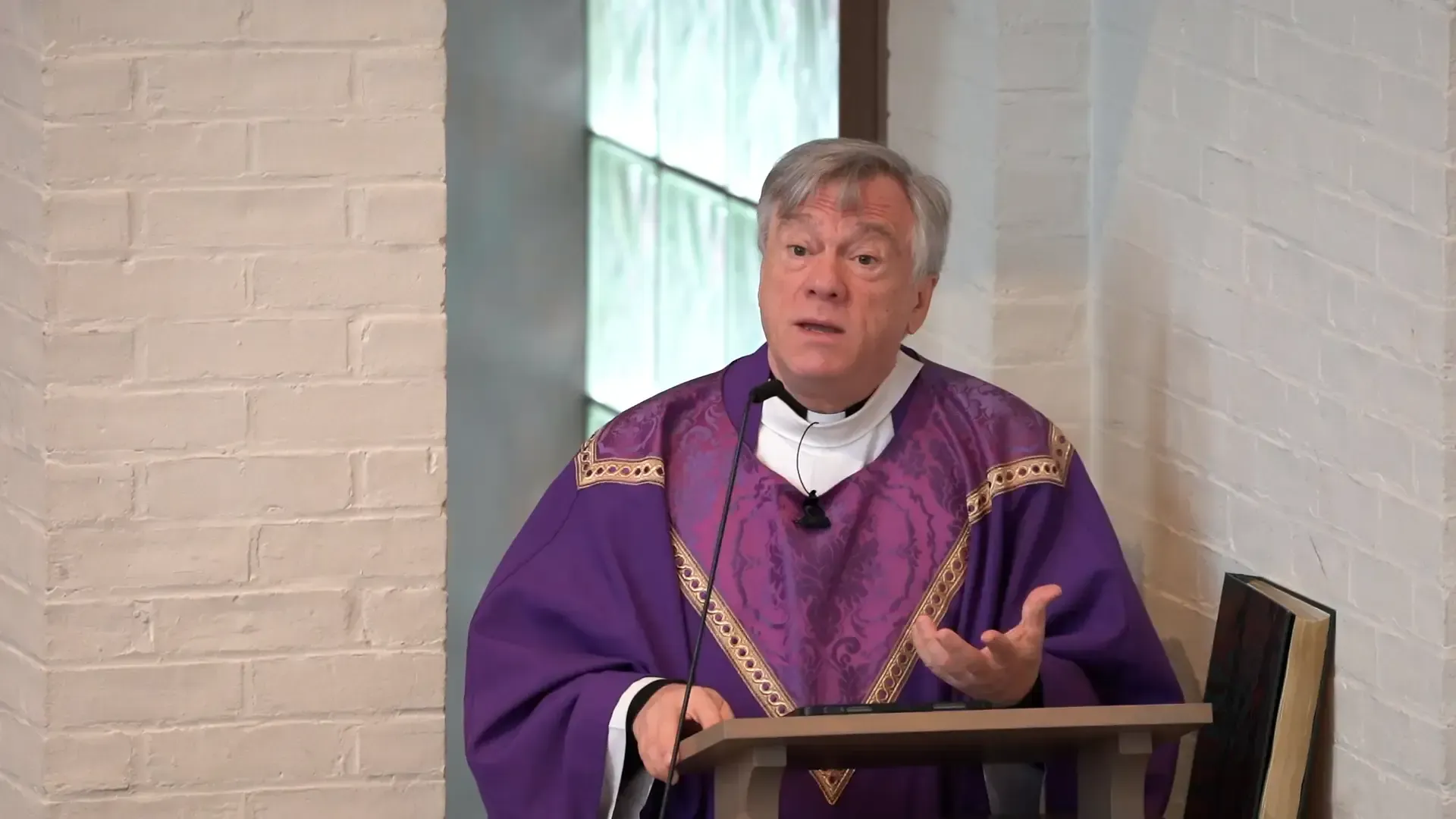
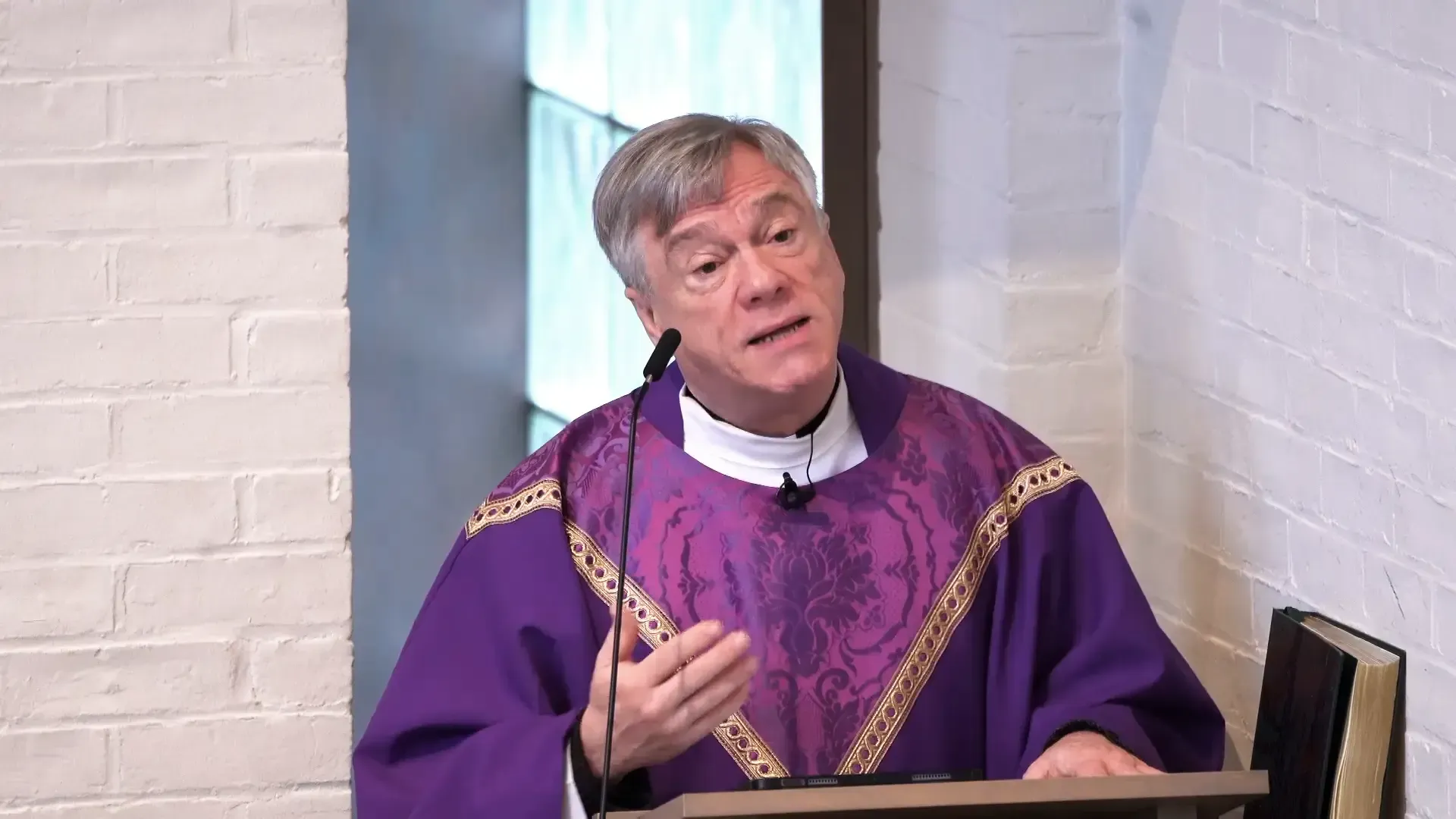
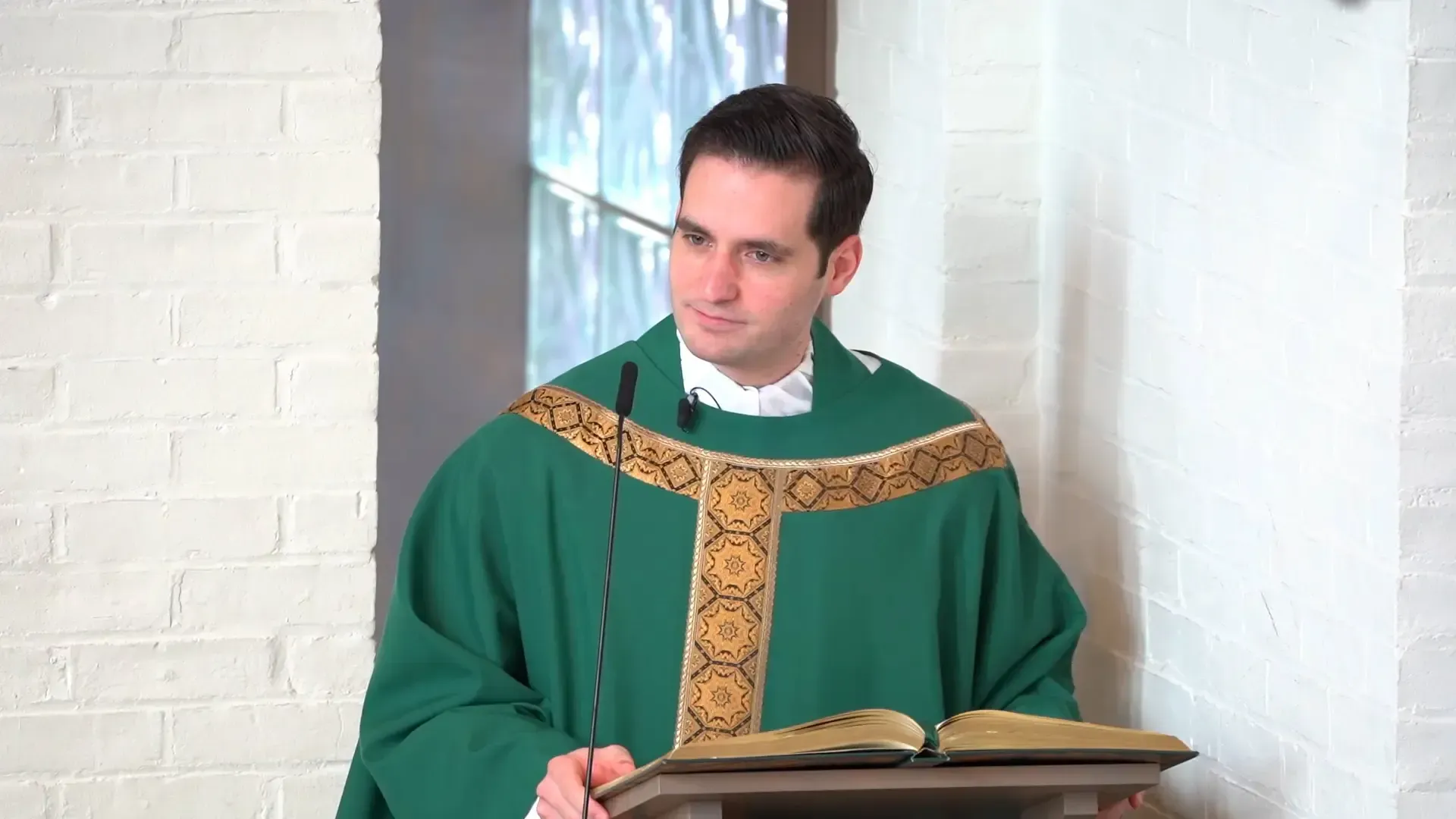
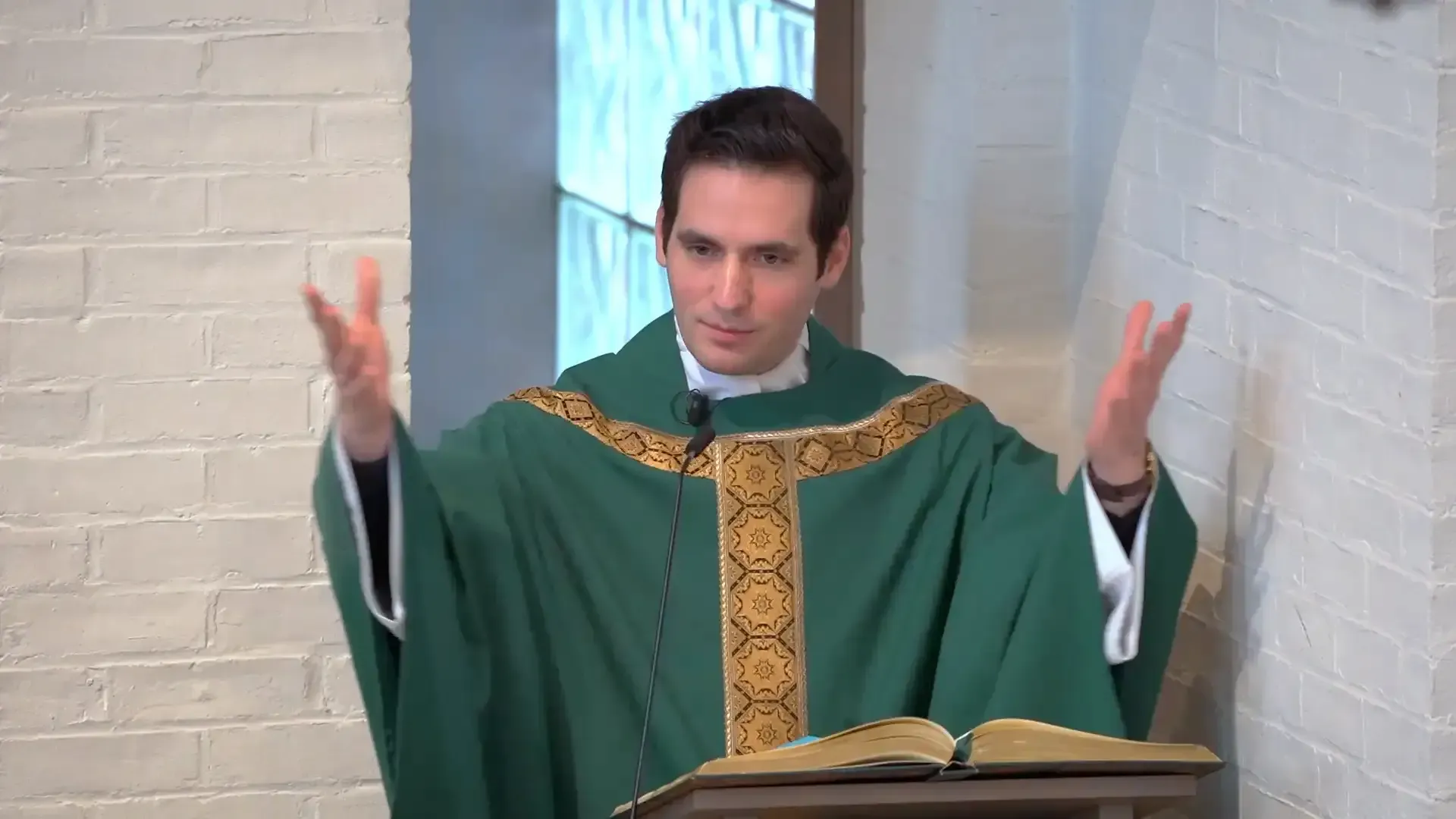
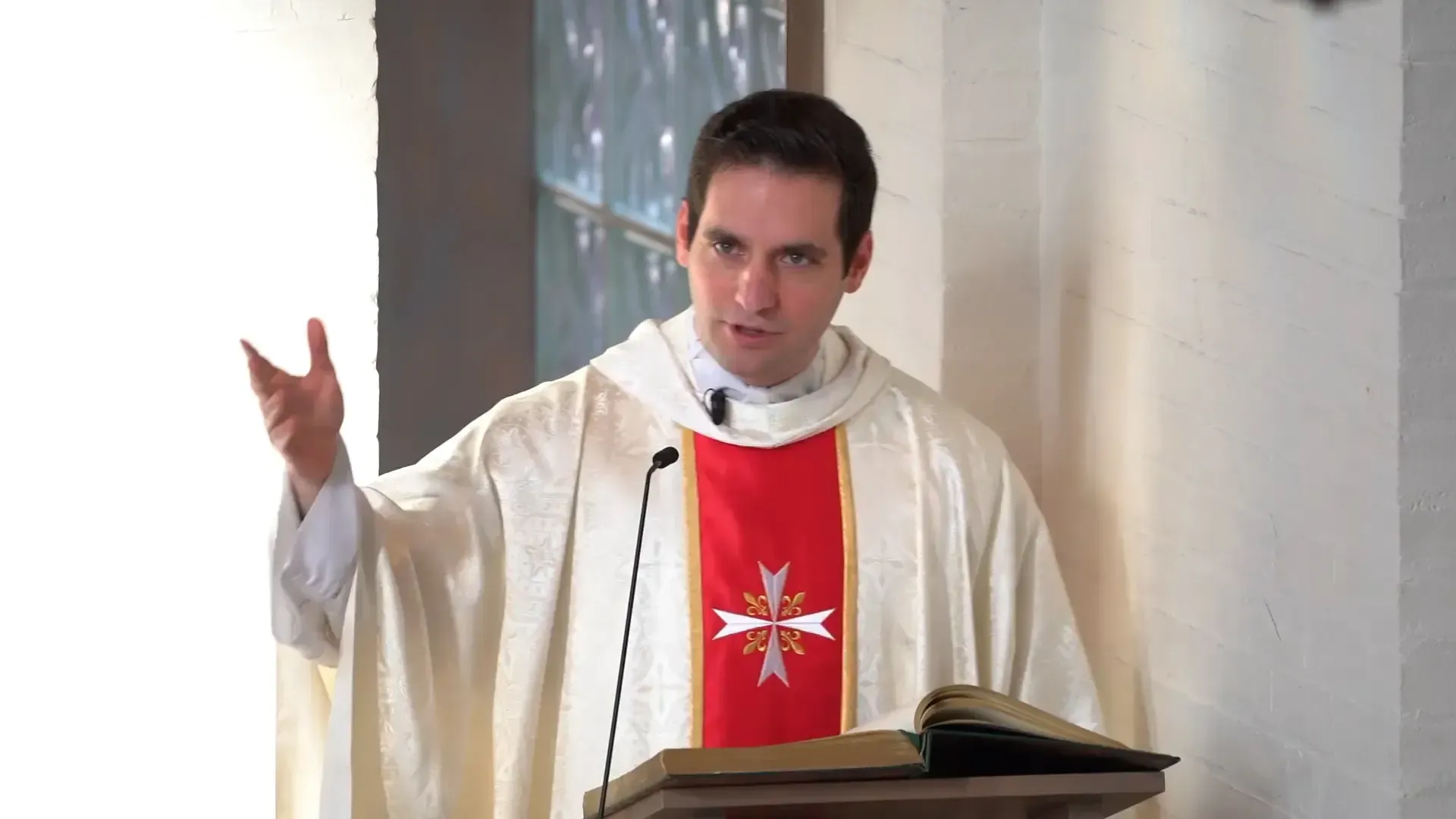
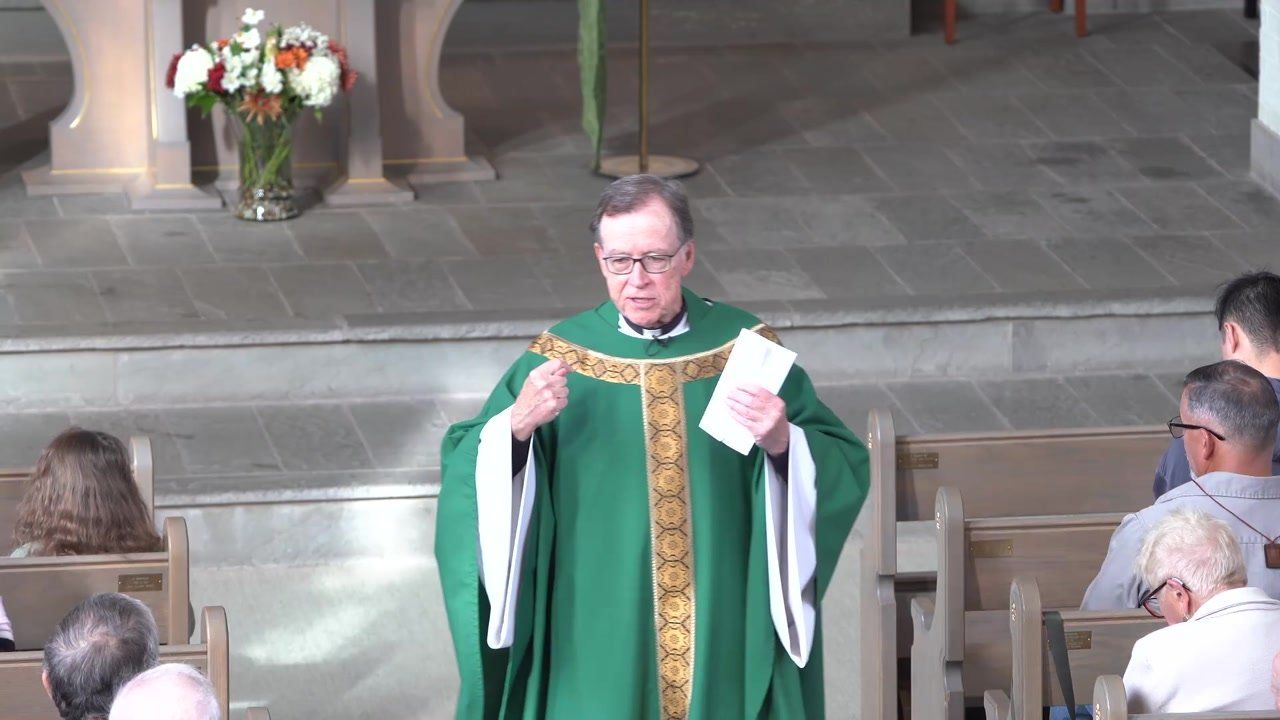
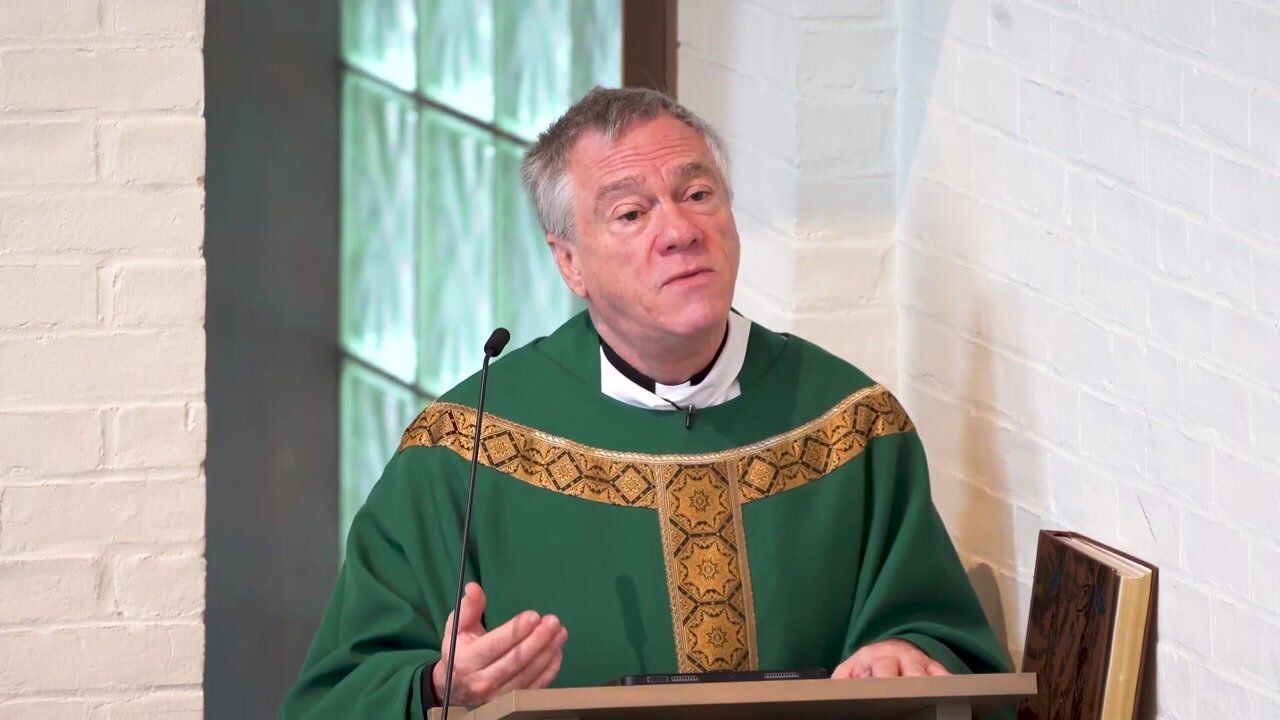
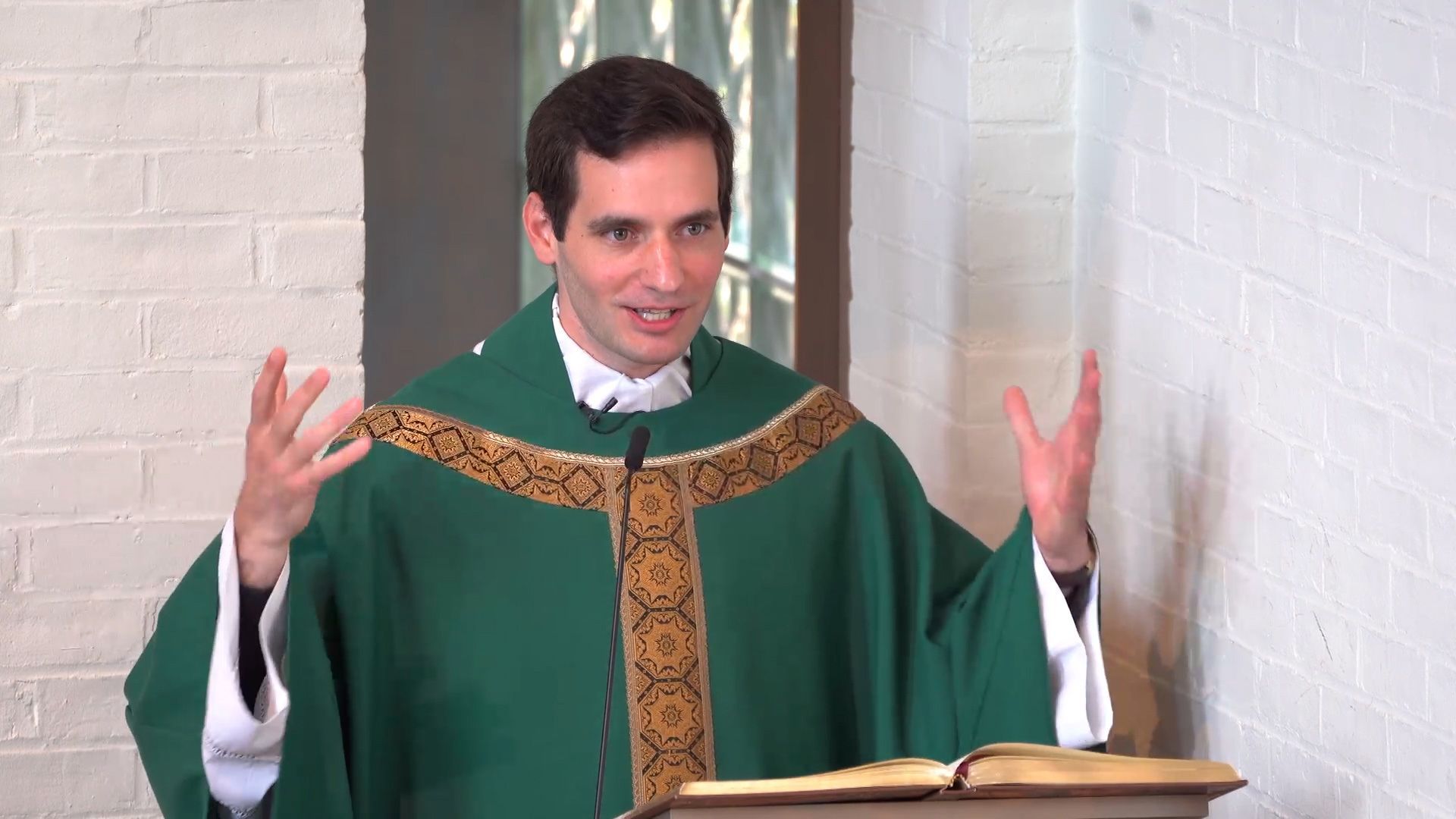
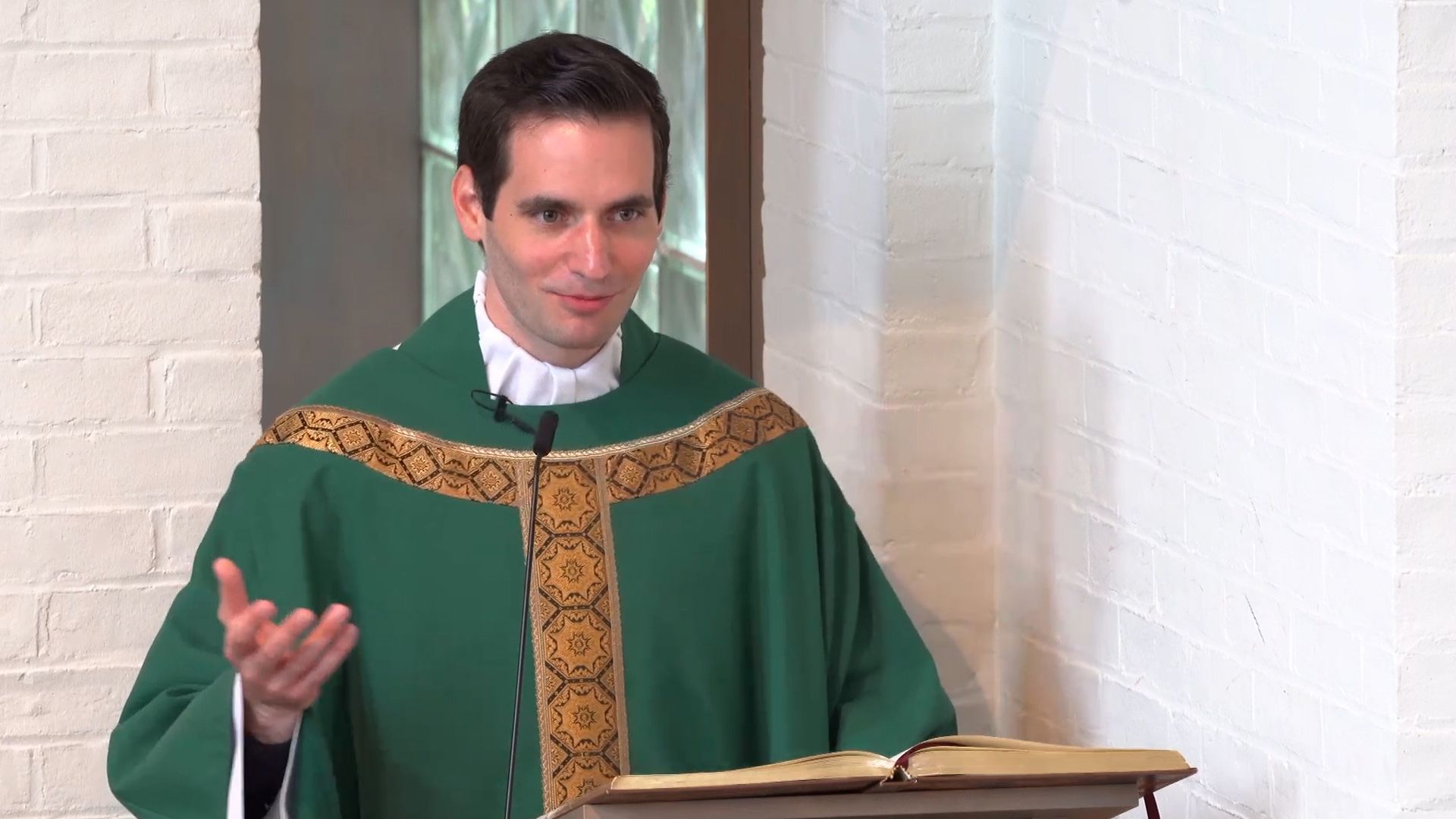
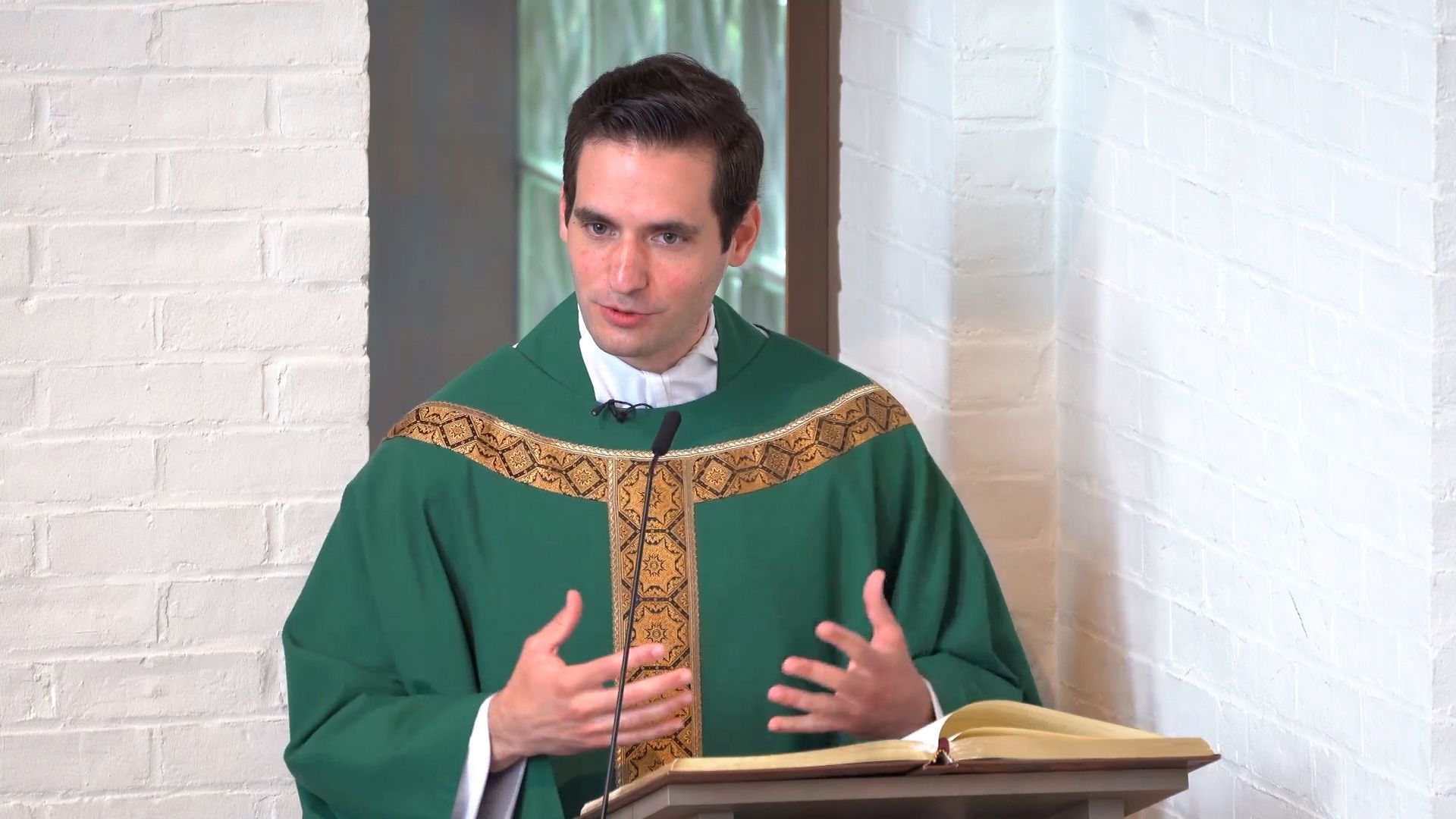
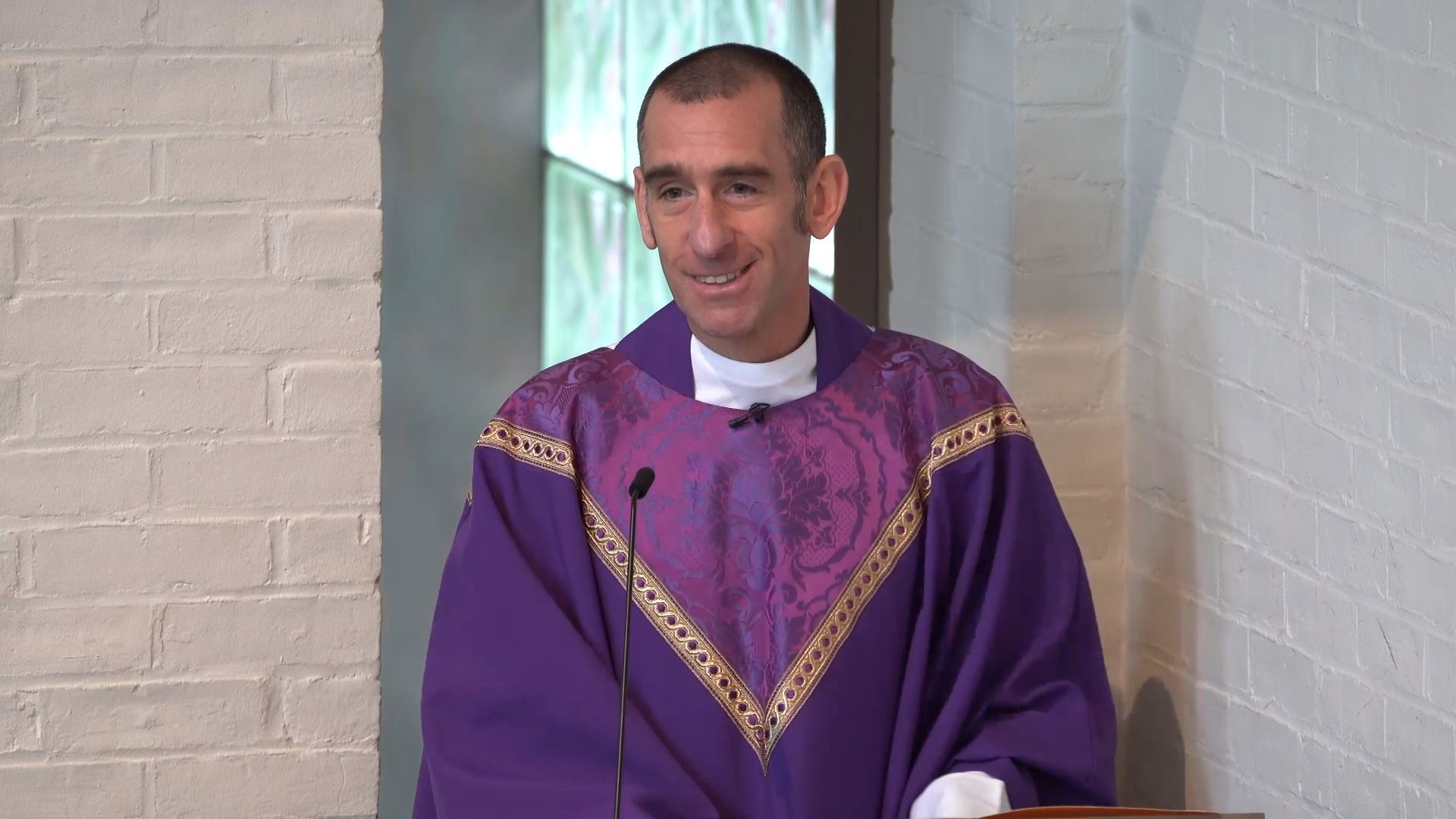
STM Homily | Fr. Joseph MacNeill | March 29, 2026
And so it begins, brothers and sisters in Christ. So it begins this week. That changed all of human history forever. This week that set the world on a new trajectory. This week that we call holy. Once again, we gather together. We raise our palms aloft. We sing out cries of Hosanna! Hosanna to the Son of David. And with great joy, and perhaps a bit of relief too, we start to bring a conclusion to our long Lenten observance and to usher in Holy Week twenty twenty six.
But friends, as I was praying in preparation for this holy day, Palm Sunday, I couldn't help but shake a certain truth a compelling yet also quite challenging truth that I want to share with all of you today as we enter into this Holy Week. And here's this compelling yet challenging truth. It's that this week will not be holy for each one of us. It will not truly be a time of redemption and reconciliation. For each one of us, unless we choose to make it holy. In other words, it's not enough for us simply to call this week holy to proclaim it as such. To say this is the holiest of weeks in our year, and then hope that that reconciliation and redemption will come to us anew. No, we have to intentionally make this a Holy week to set it apart from all the others in our calendar year.
Let me give you a sense of what I mean by this. Take these characters, this familiar cast of characters that takes center stage once again in today's long recitation of the passion narrative. Take, for instance, those thousands and thousands of people from every nook and cranny of Israel who came to Jerusalem during that feast time to welcome Jesus triumphantly into Jerusalem with their palms aloft, as we just did moments ago. They certainly began the week, and quite holy fashion, didn't they? Perhaps the holiest of fashions crying out, Hosanna to the Son of David, to the Messiah himself. And I'm sure they probably went back home that day and stowed their palms away in some sacred corner and thought to themselves, this week will really be one of redemption and reconciliation for me. The holiest of weeks.
But think about friends where those throngs of people found themselves just a few days later, a handful of days later, on Good Friday, as we call it, those same crowds. Well, their their palms were transformed into reeds with which Christ was beaten and mocked and scourged. Their cries of Hosanna, Hosanna, Hosanna were transformed too into what we all just said moments ago crucify him, crucify him.
Take another example from this wonderful passage. Another cast of characters the disciples, the apostles, that closest band, the BFFs of Jesus. Of course, they too, started out that week in the holiest of fashions. Imagine them riding high as Jesus enters into Jerusalem. They got in on the ground level of this whole Christianity thing, and now they're thinking, we're going to be sitting on thrones of glory as Jesus enters into Jerusalem. And they say to him again and again on Holy Thursday, I will never abandon you, Lord. I will never abandon you. In other words, this will be a Holy, Holy Week for me. What happens in Gethsemane? As we just heard this very haunting verse we just heard proclaimed, all the disciples abandoned him and fled. All the disciples abandoned him in Gethsemane.
So what's the lesson for us? A challenging lesson, brothers and sisters. Like those crowds, like the apostles, the disciples themselves. Sure, we can begin this week in the holiest of fashions, raising our palms aloft and crying out, Hosanna to the Son of David! But this week will not be holy for us unless we truly make it so.
So how then do we make this a Holy Week? And I'll be brief, because this is one of the few days in our church year where the Missal actually tells the priest to give a brief homily, because we have a lot of things going on at this mass. Okay, so I'll let you all think of the ways you can make this week holy on your own. But a couple suggestions.
Okay, one is taking some time for silence during this week and being open about that with your colleagues, your friends, people in the workplace. Say to them, this is a holy week for me. I need to take some time, perhaps in silence. Maybe some of your friends, the students out there, you'd like to go hang out and do fun things. That's great. Right? But maybe also take some time in silence to simply be with the Lord and to reflect upon the mysteries of our redemption.
Here's another suggestion. In that silence, perhaps, or in another time during this week, go back and read through this passion narrative again. I can't fail to read it. I don't know about you. I can't fail to read through that passage every year and not be struck by some piece of it. Multiple pieces of it, perhaps. So go back and take some time to read through the passage and to really pray with and reflect on those parts that most stick out to you.
And the last thing I'll mention, this is perhaps the best way, the best way to make this a Holy Week is to come back here not just for Easter Sunday, but also for the liturgies of the Paschal Triduum, the holiest days in the holiest week of our year. Holy Thursday here at eight p m, the mass of the Lord's Supper, where we commemorate the gift of the priesthood and of the Eucharist. Good Friday of the Lord's Passion again, eight p m here where we commemorate the crucifixion of the Lord. Beautiful service, prayerful service. And then finally, the great Easter Vigil, the greatest liturgy of the entire liturgical year, again here on Saturday at eight p m, where we begin the great day of Easter. And we hear many readings from all of salvation history.
And also we celebrate as we do every year. The entrance into the church of certain members of our community who have been preparing for that for this whole year. We actually have. I've said it before here. I'll say it again just to celebrate this wonderful fact. We have thirty six people now who are receiving sacraments at the Easter Vigil. Amazing. Our big issue. I said this before, our big issue is we don't know how we're going to fit everybody in this area. Nine people are going to be baptized in that baptismal font. So come in and experience not just the joy of Easter, but also share that joy with those who are experiencing it. That redemption, that reconciliation for the first time, if you come and take part in one or hopefully all of those liturgies, that will be a great way really to walk with Jesus, to stay with Jesus, and really to make this, again, the holiest of weeks.
So friends, as we go forth now into these days, let us not simply call this day and these days and this week holy. Let us indeed, by our way of life, walk with Jesus and truly make it holy.
Homily Archive