STM Homilies
The transcript below was created using machine transcription technology to make this homily more accessible. While we have made every effort to ensure accuracy, automated transcriptions may contain errors, particularly with theological terms and Scripture references. The spoken homily in the video above, delivered by the celebrant during Mass, remains the authoritative presentation.
Homily Transcription
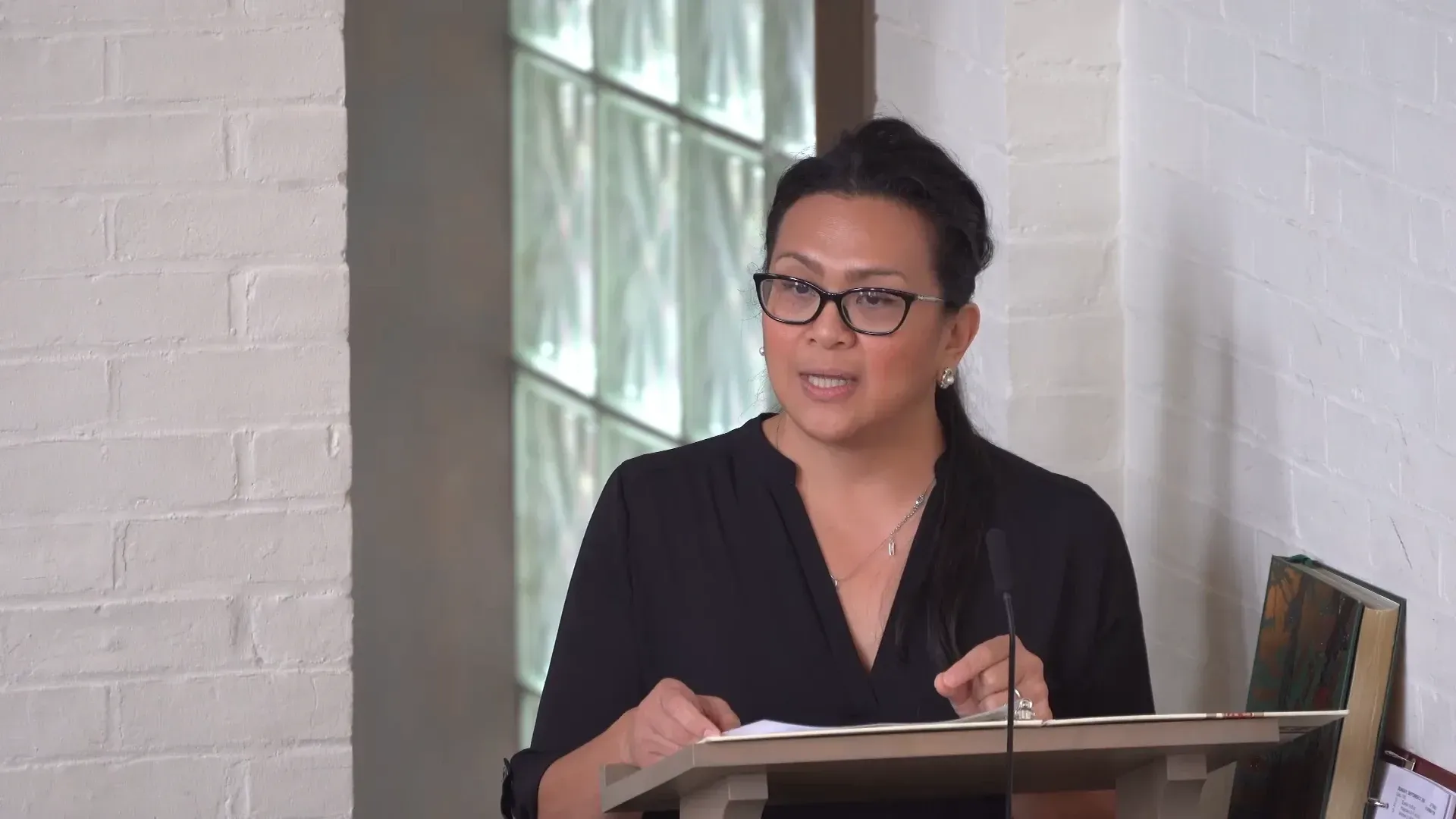
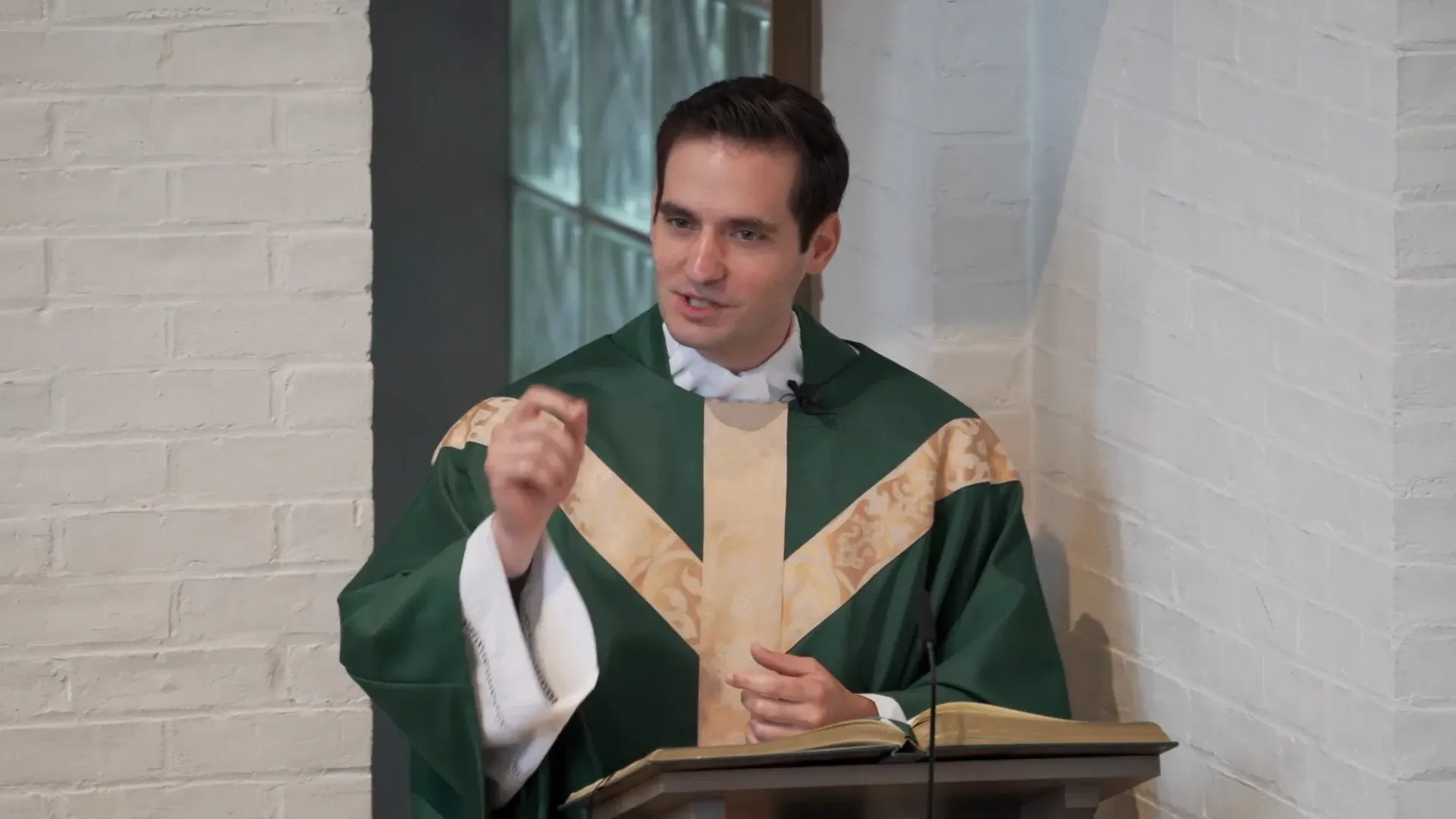
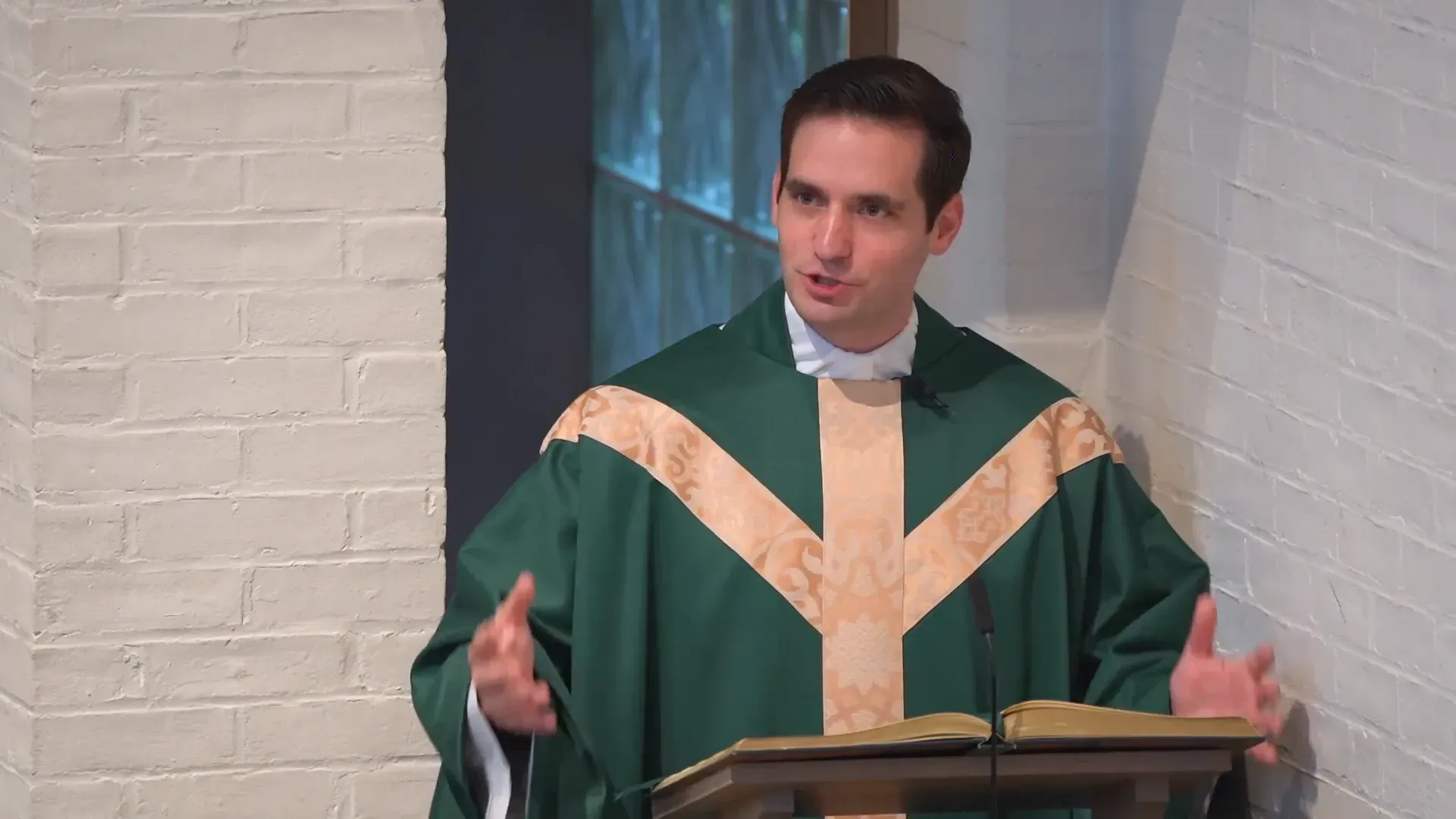
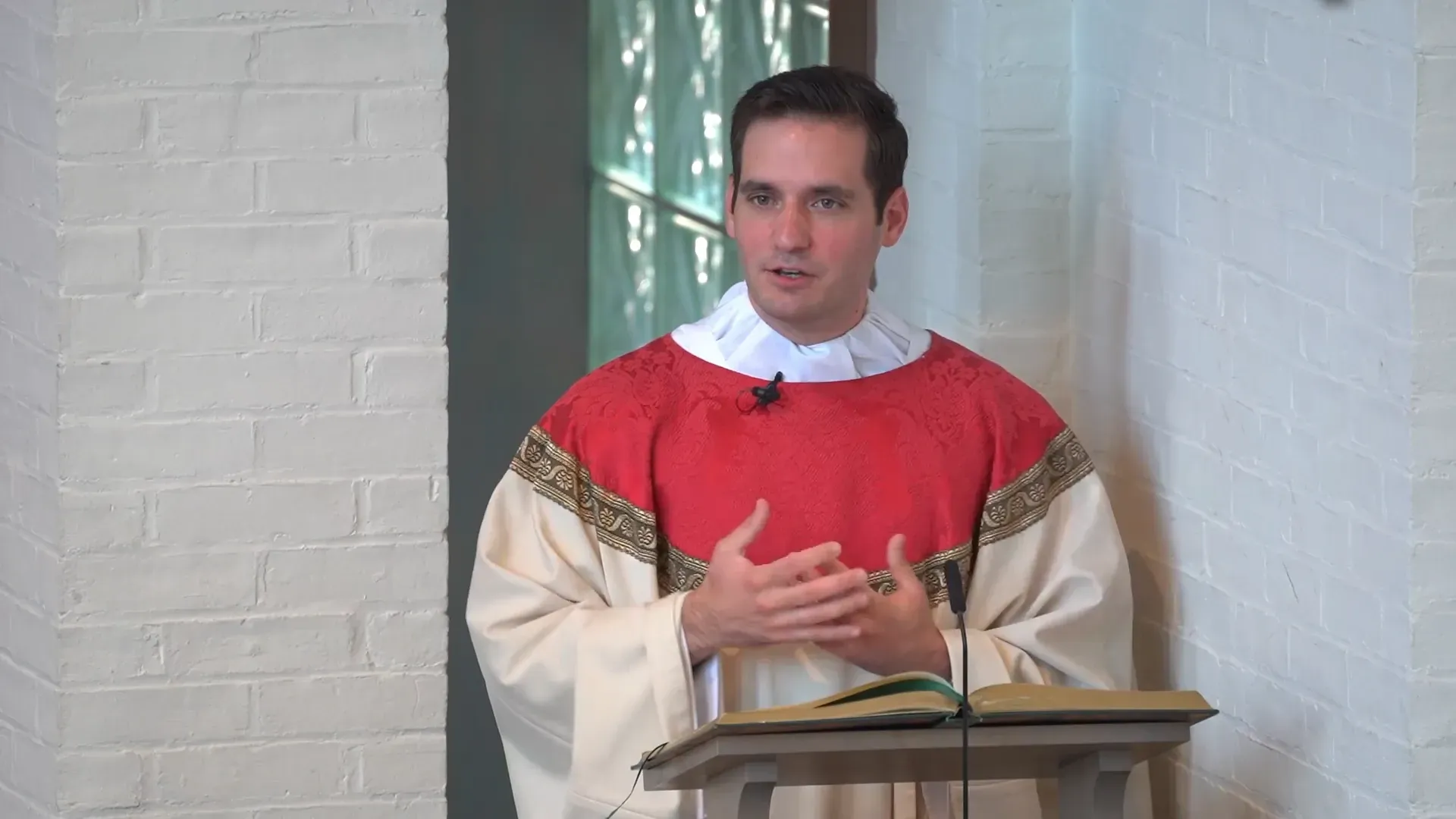
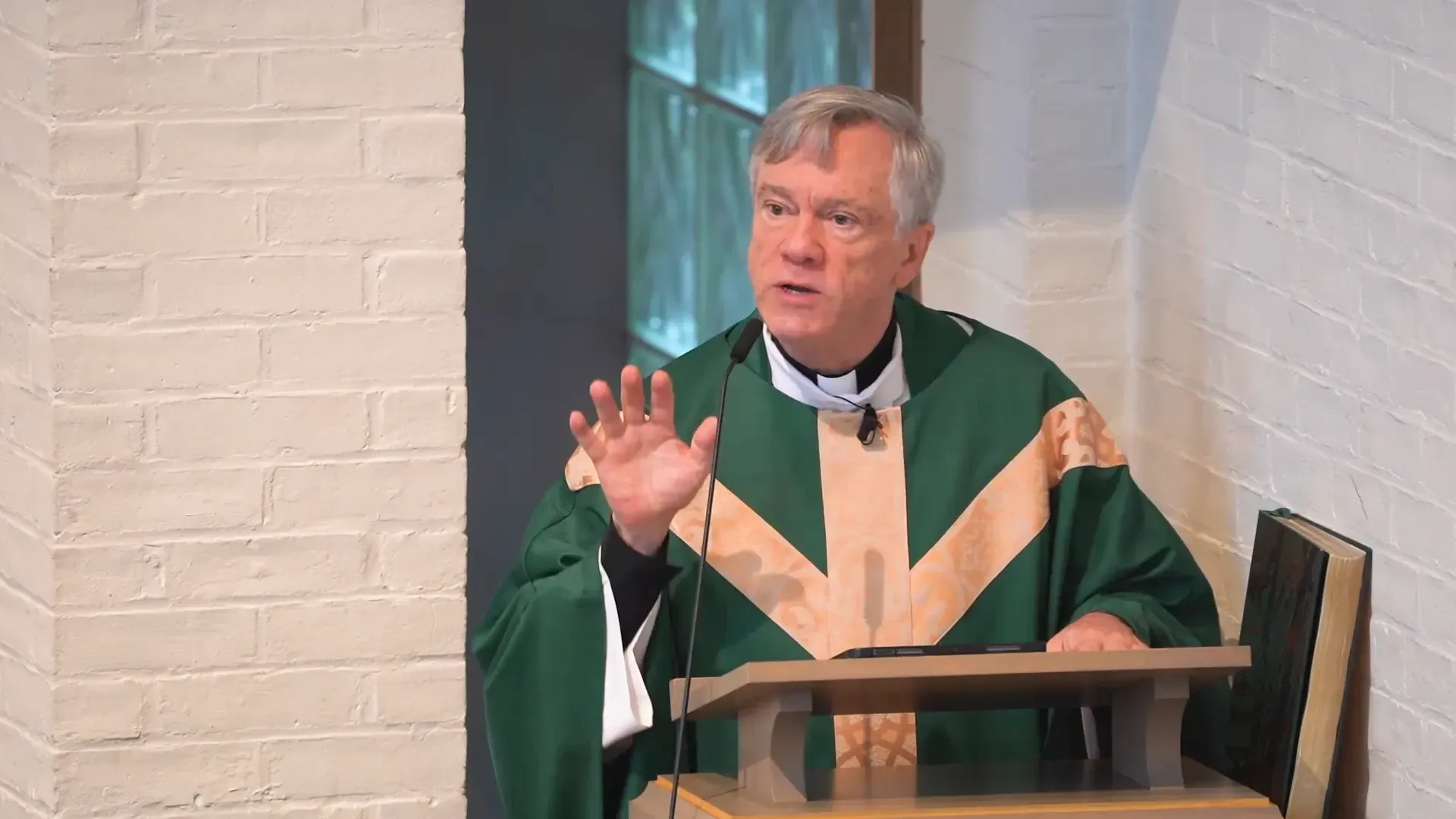
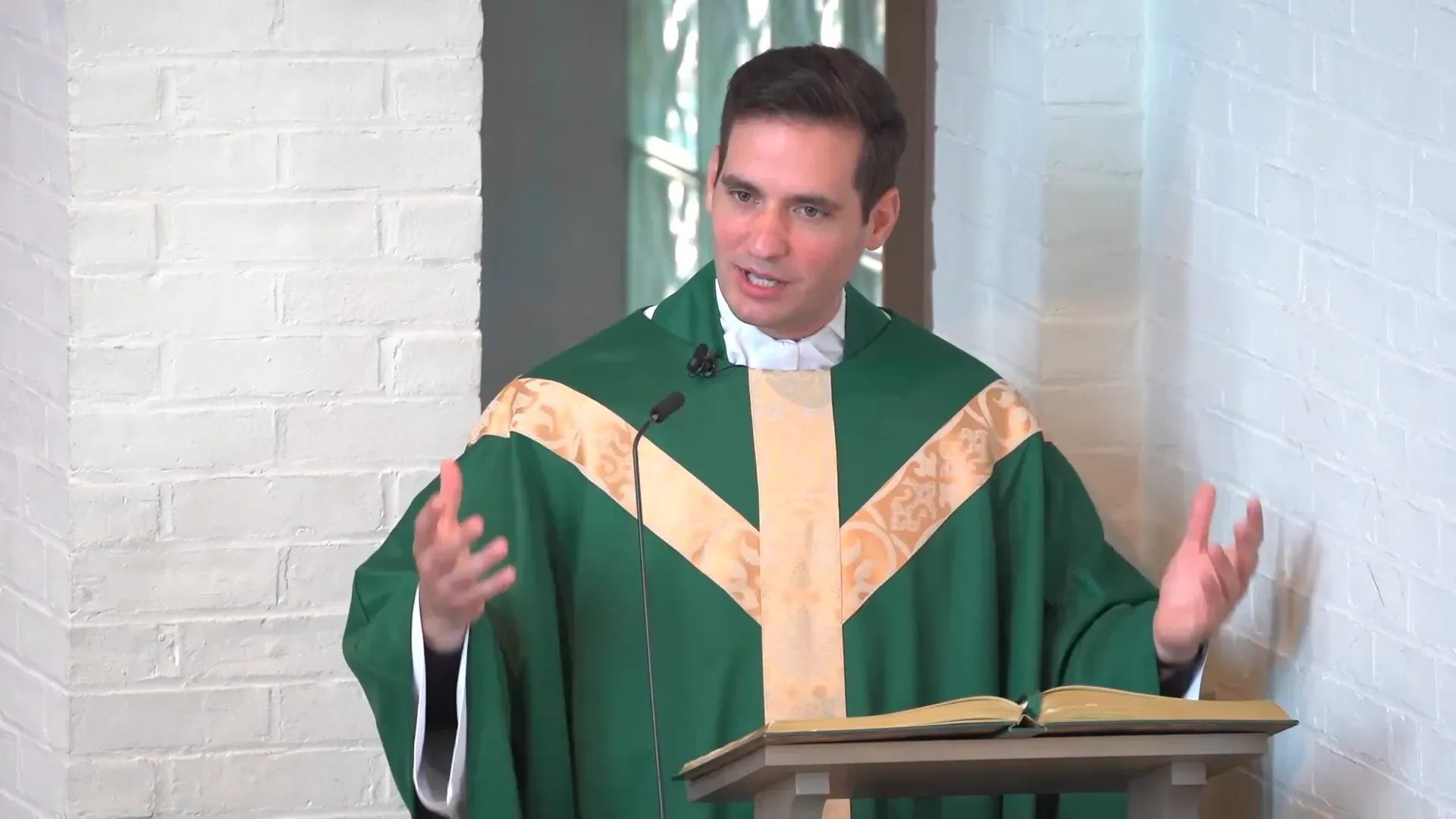
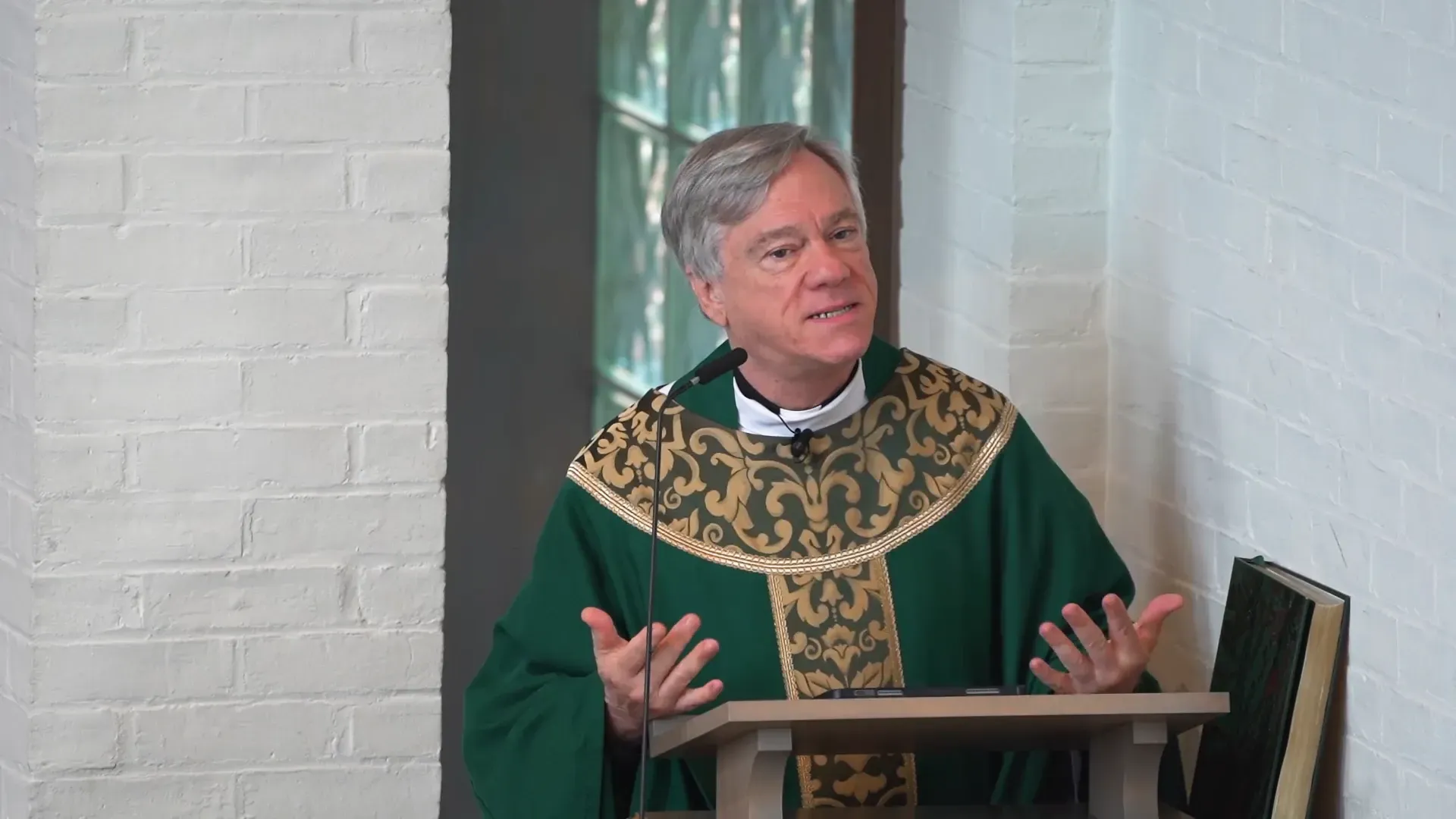
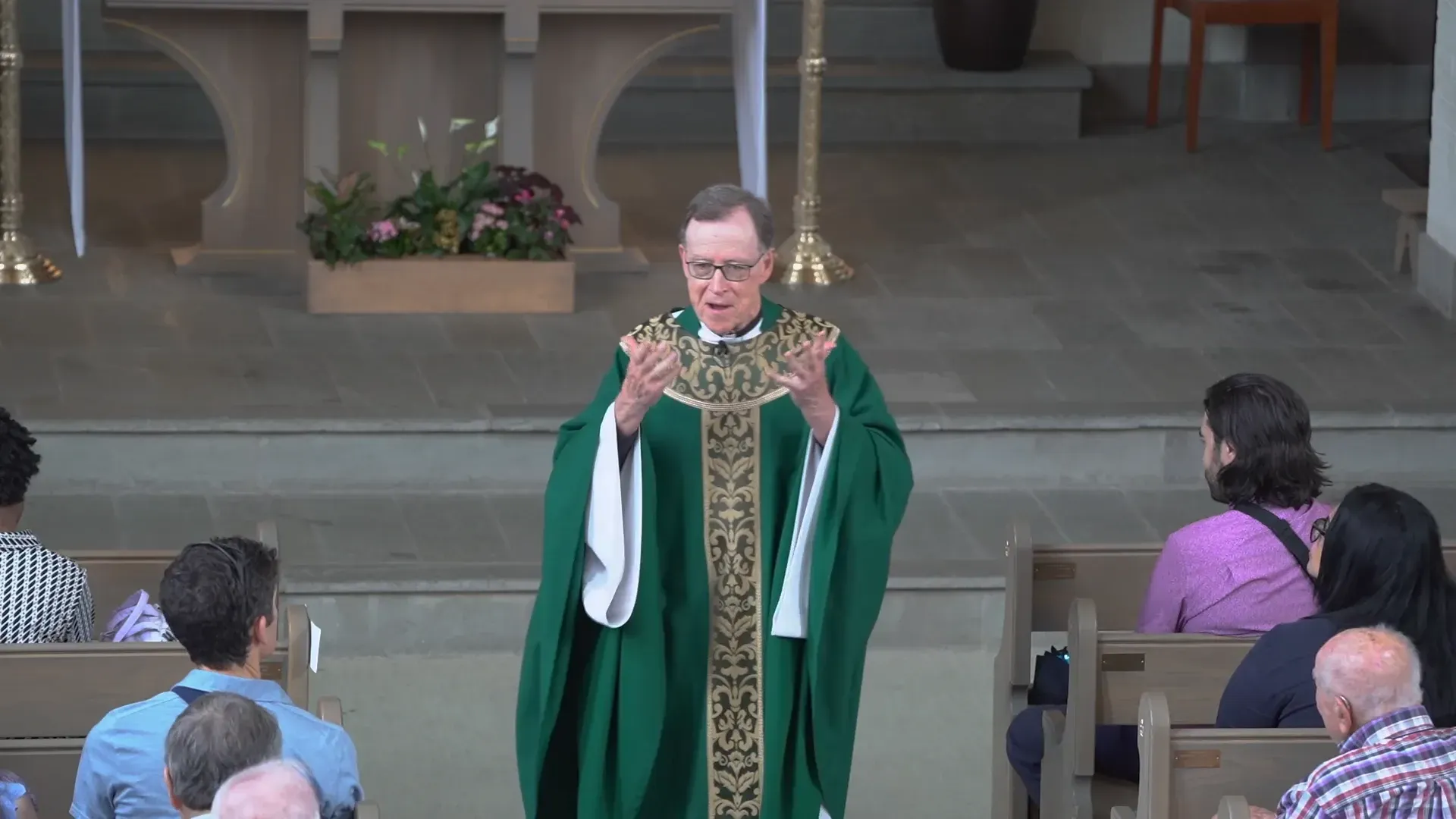
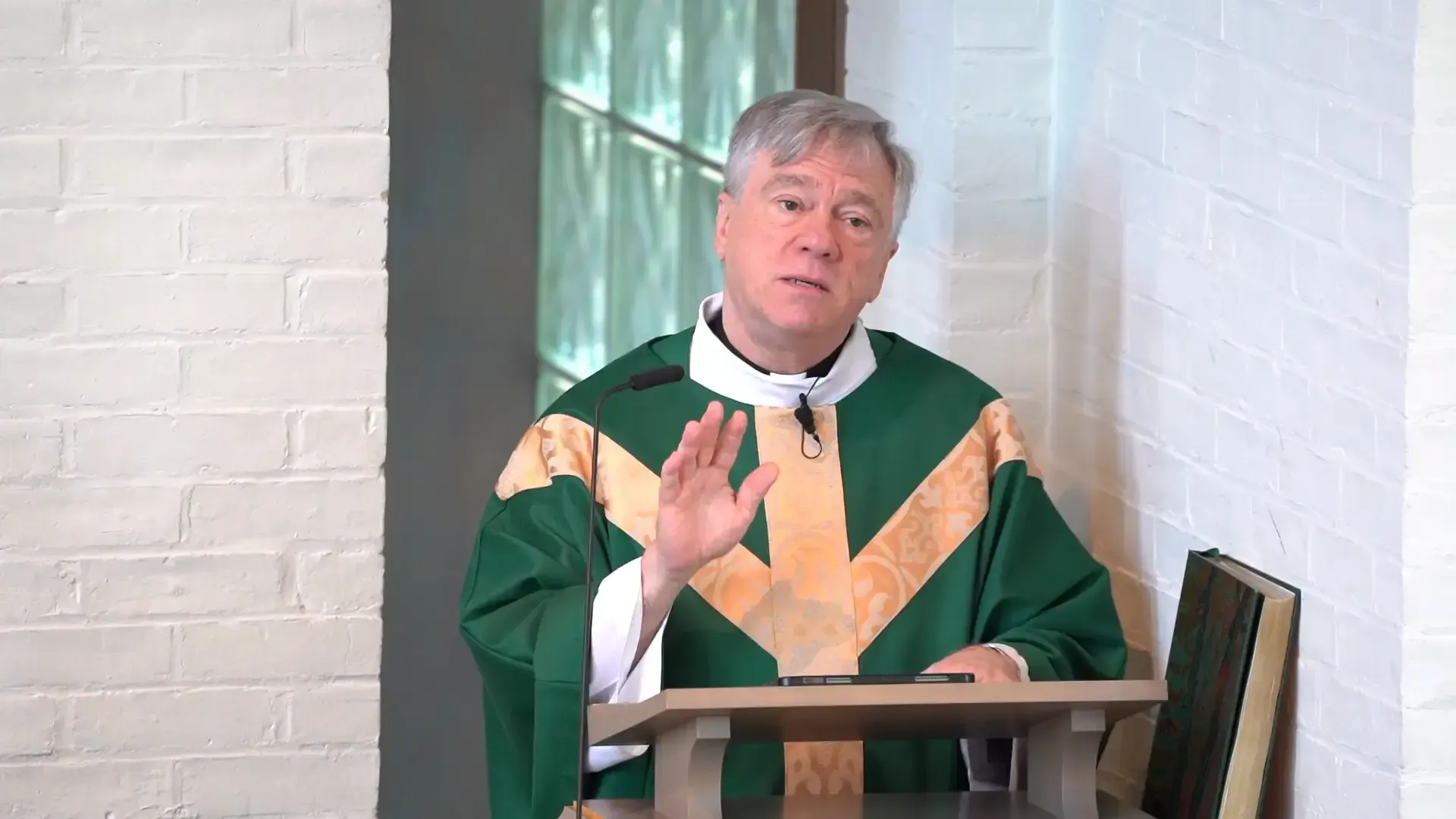
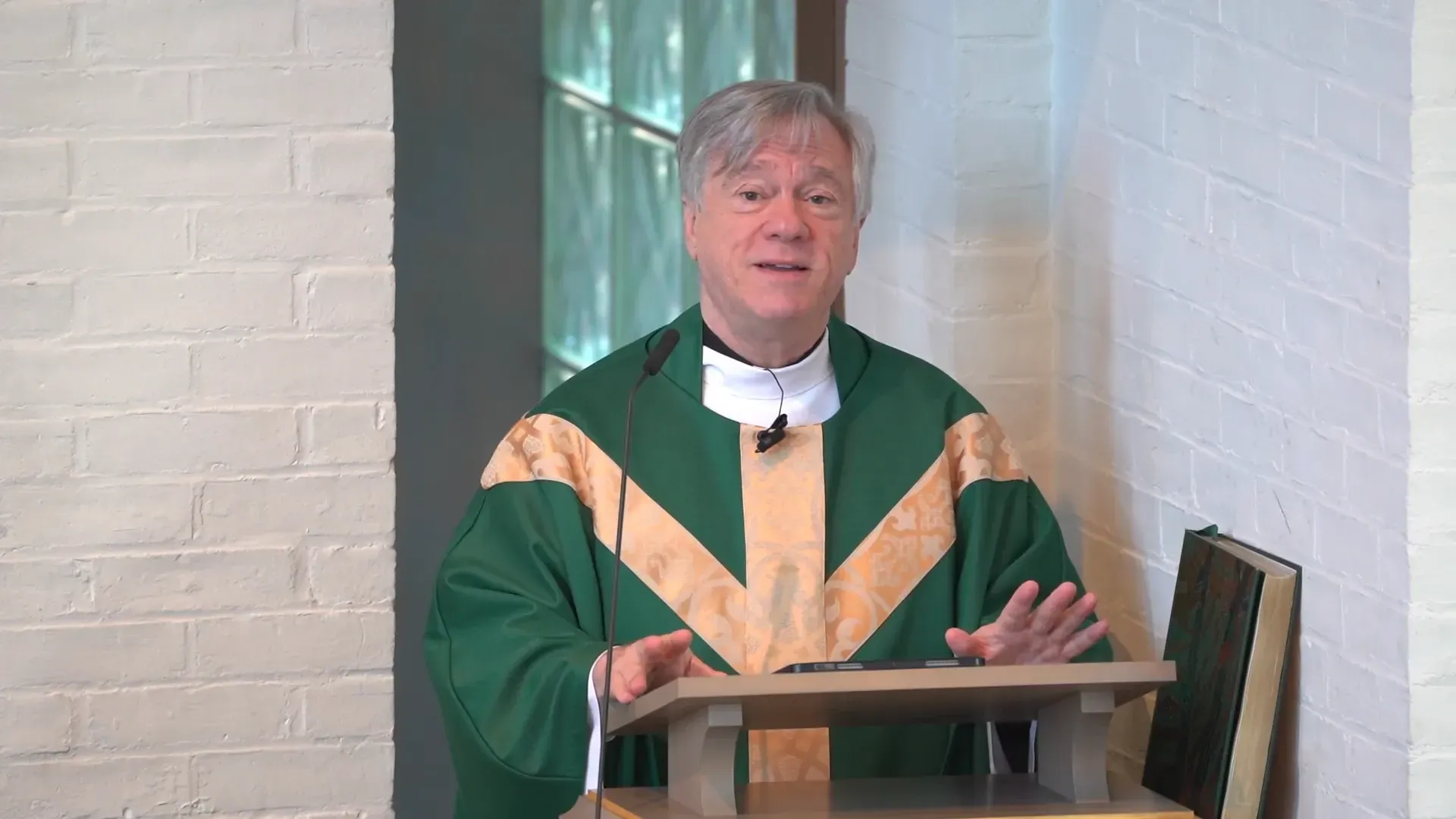
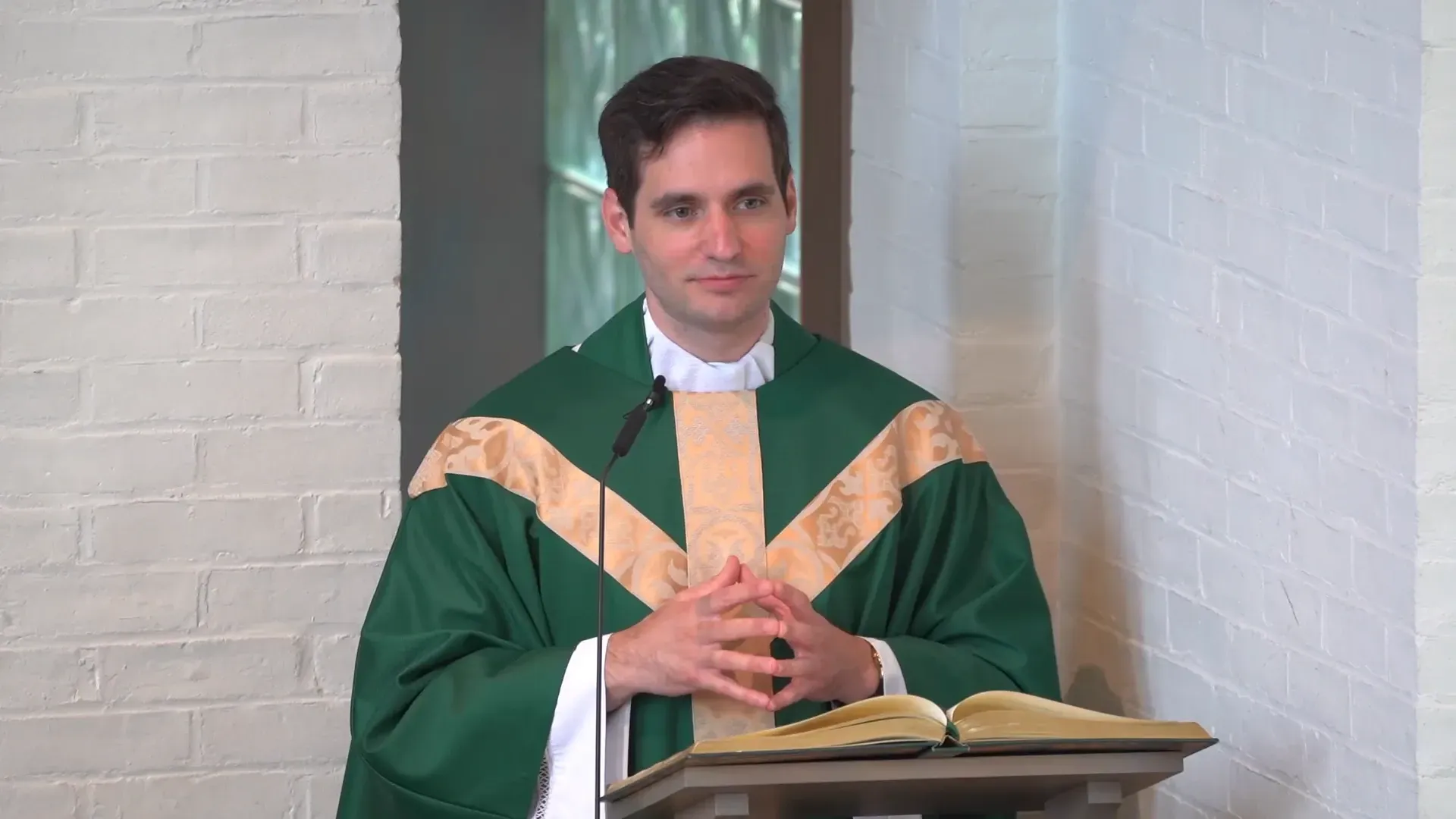
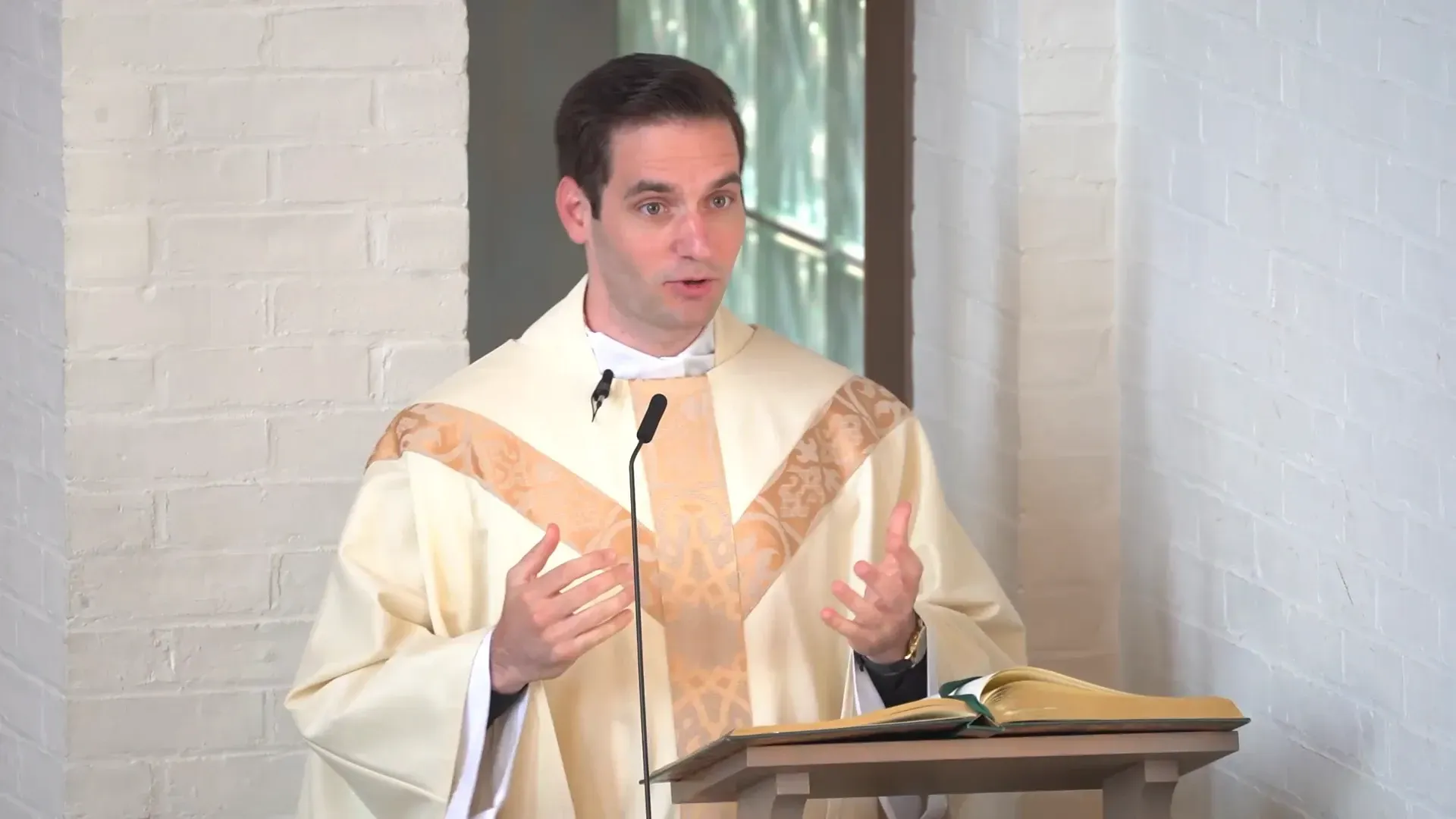
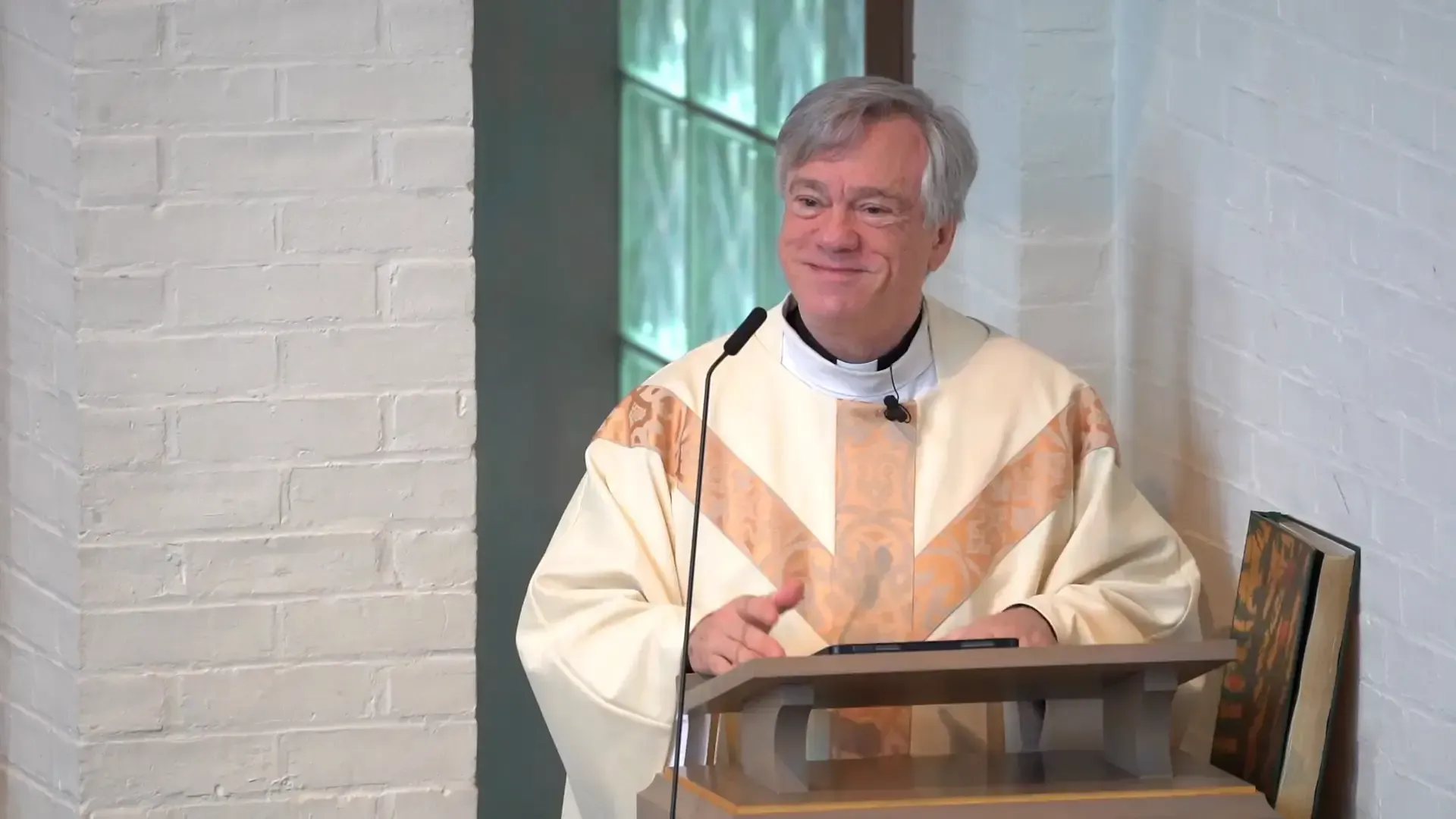
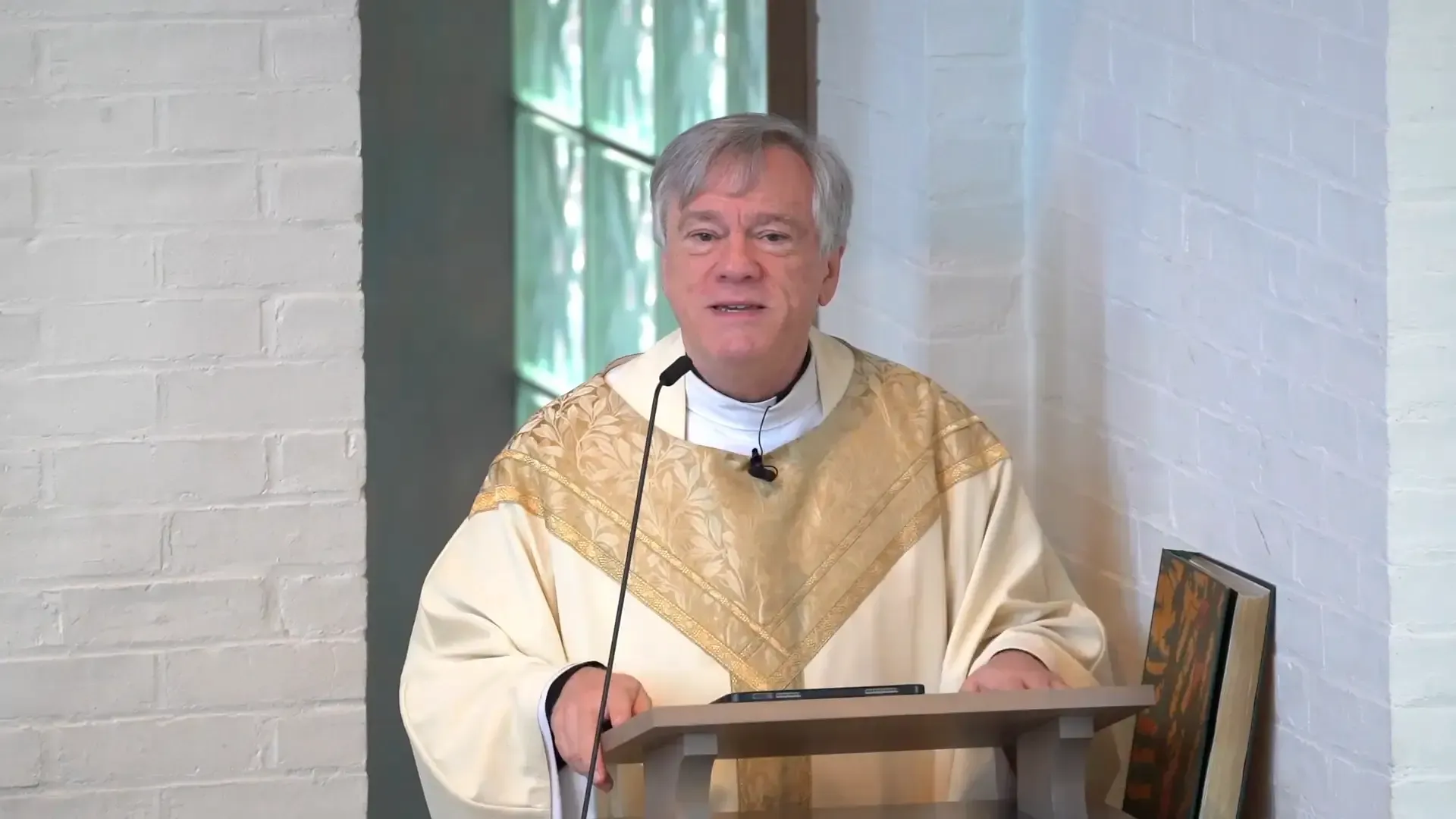
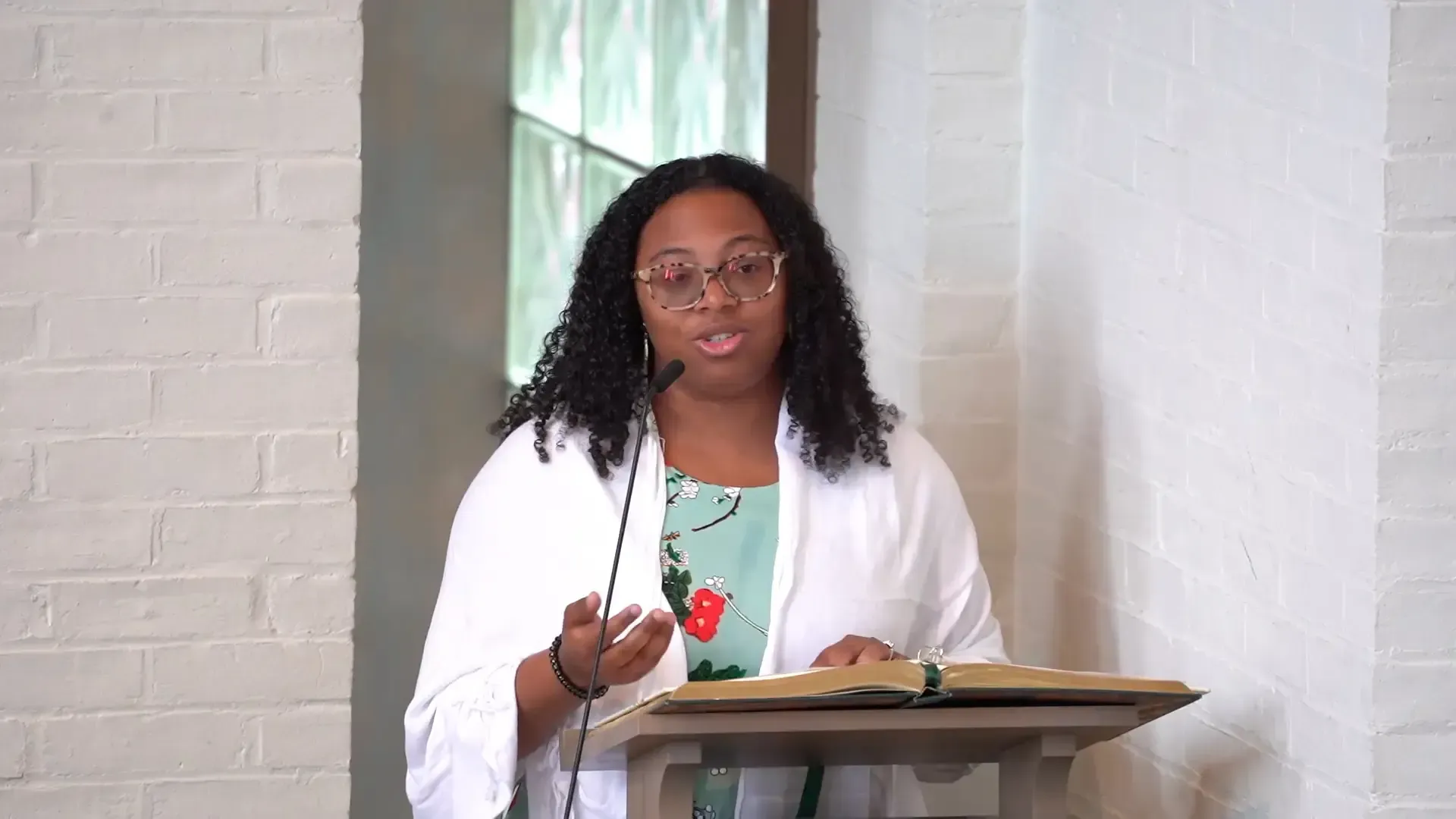
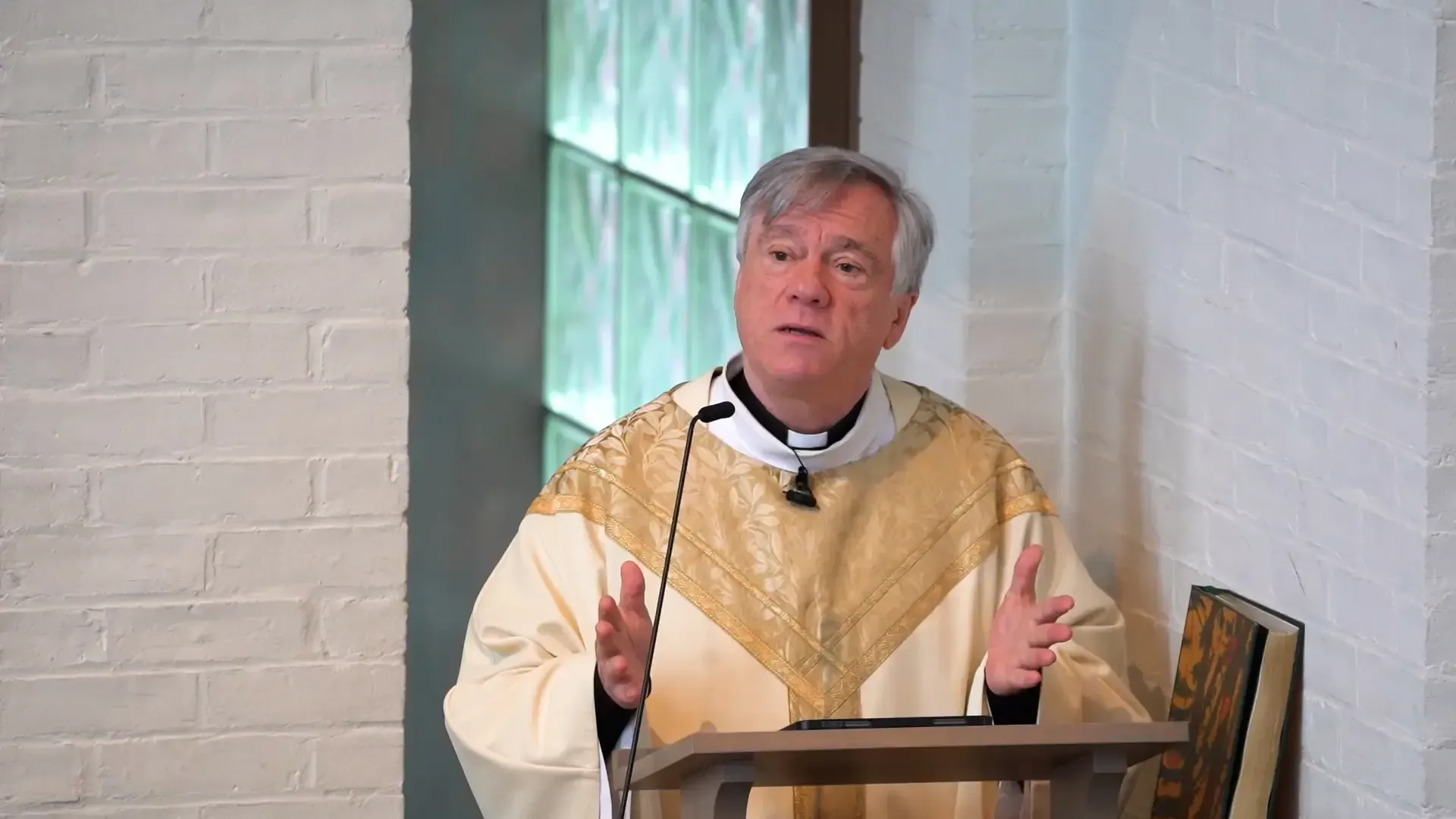
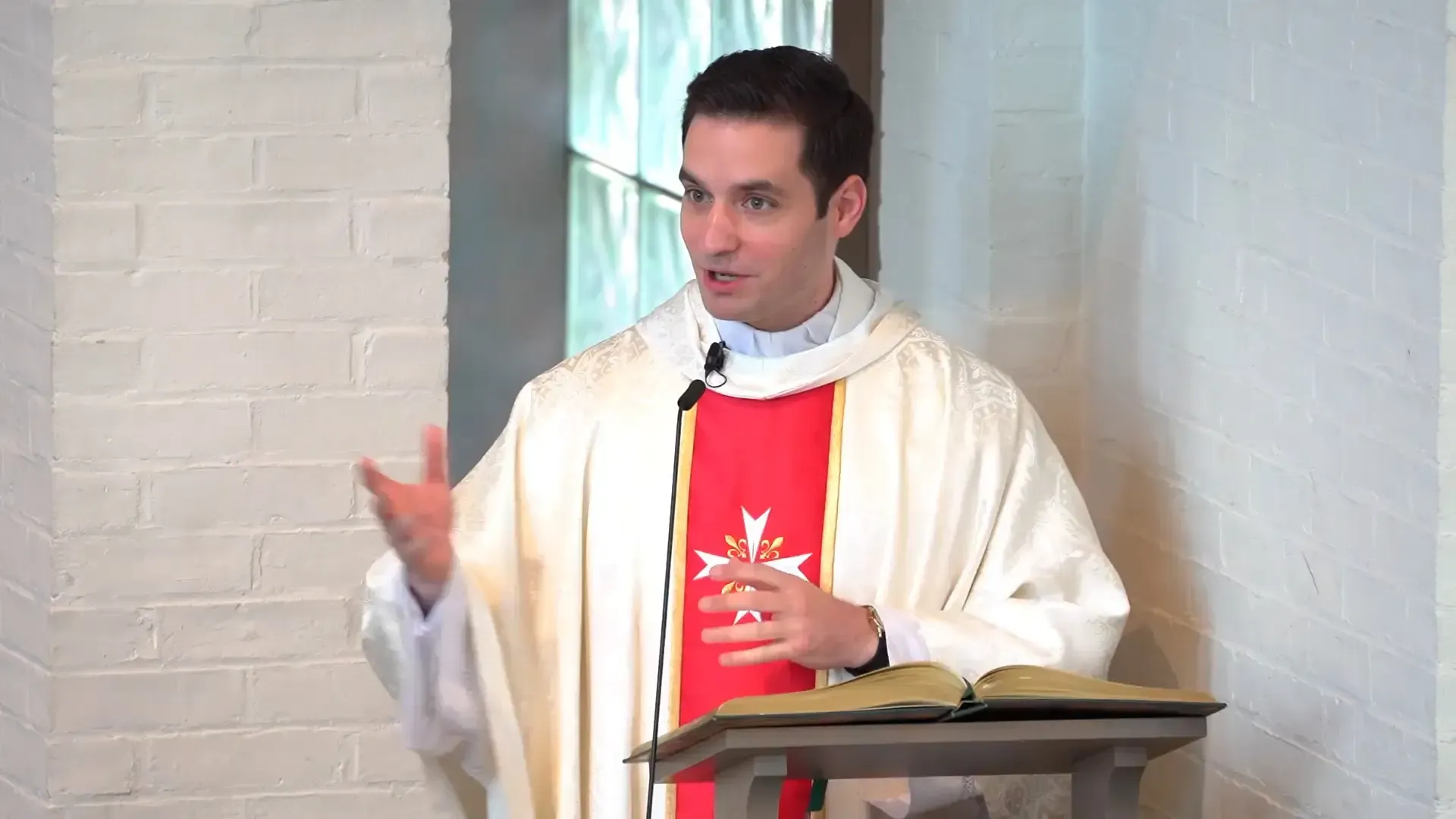
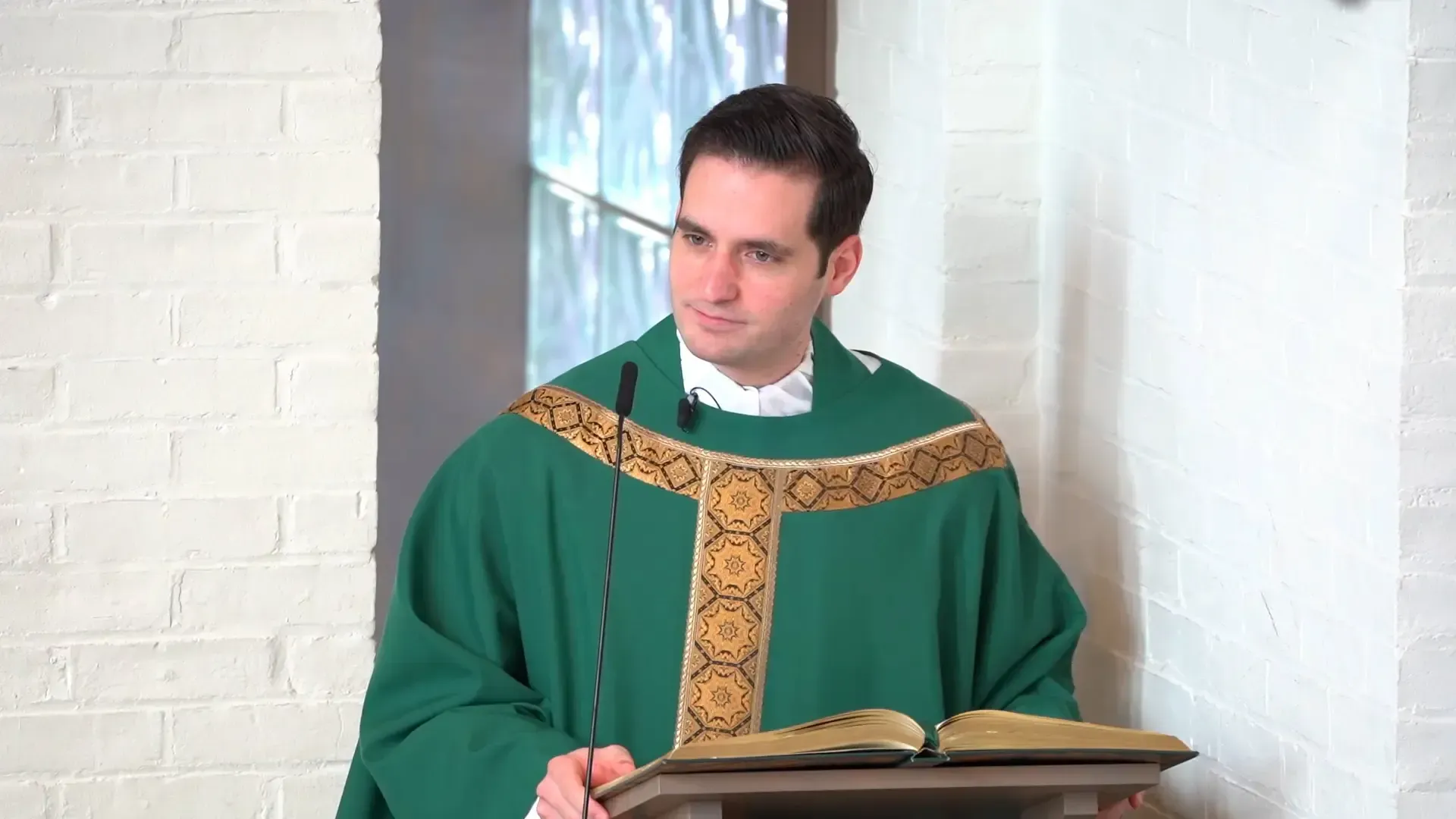
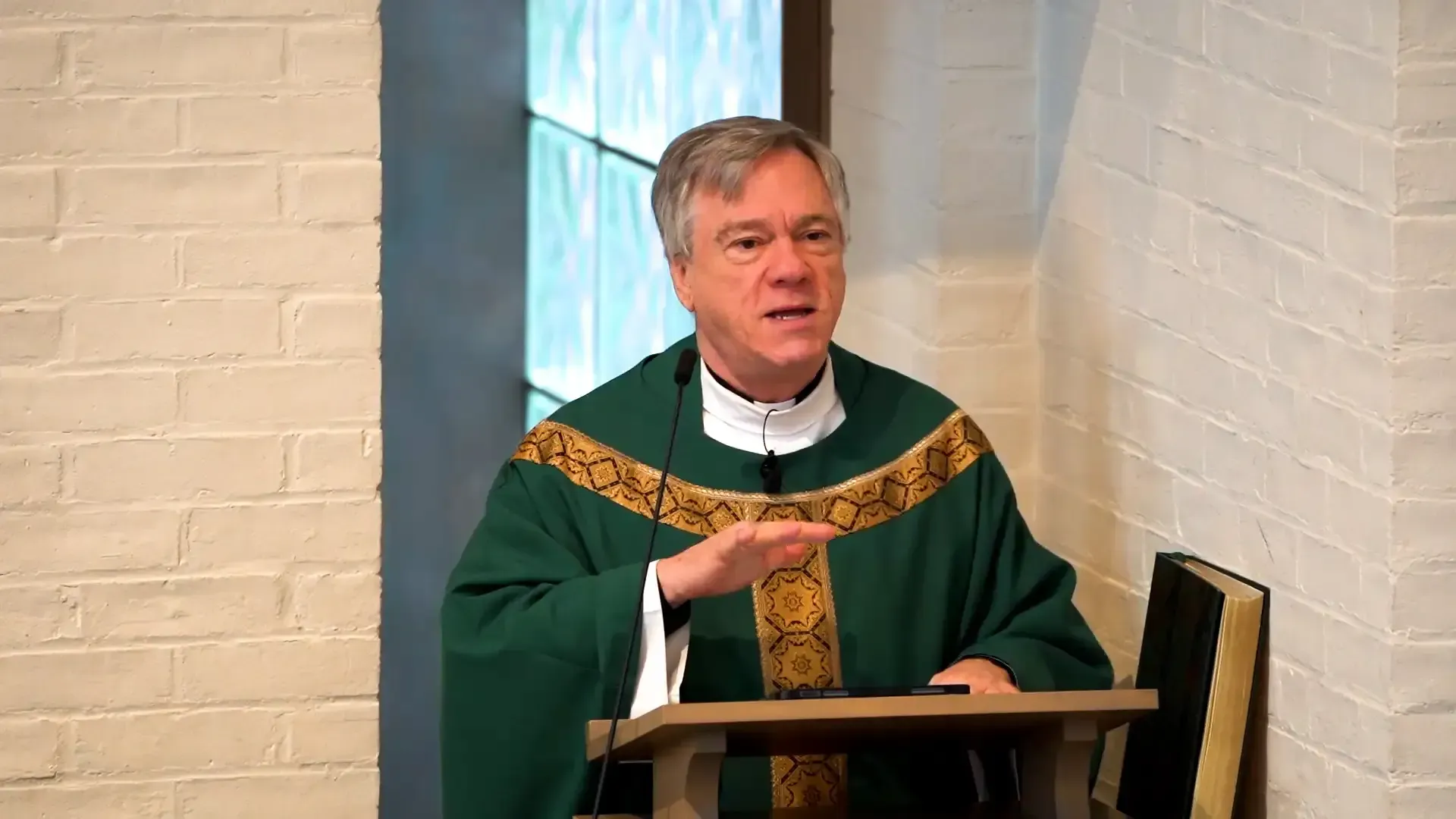
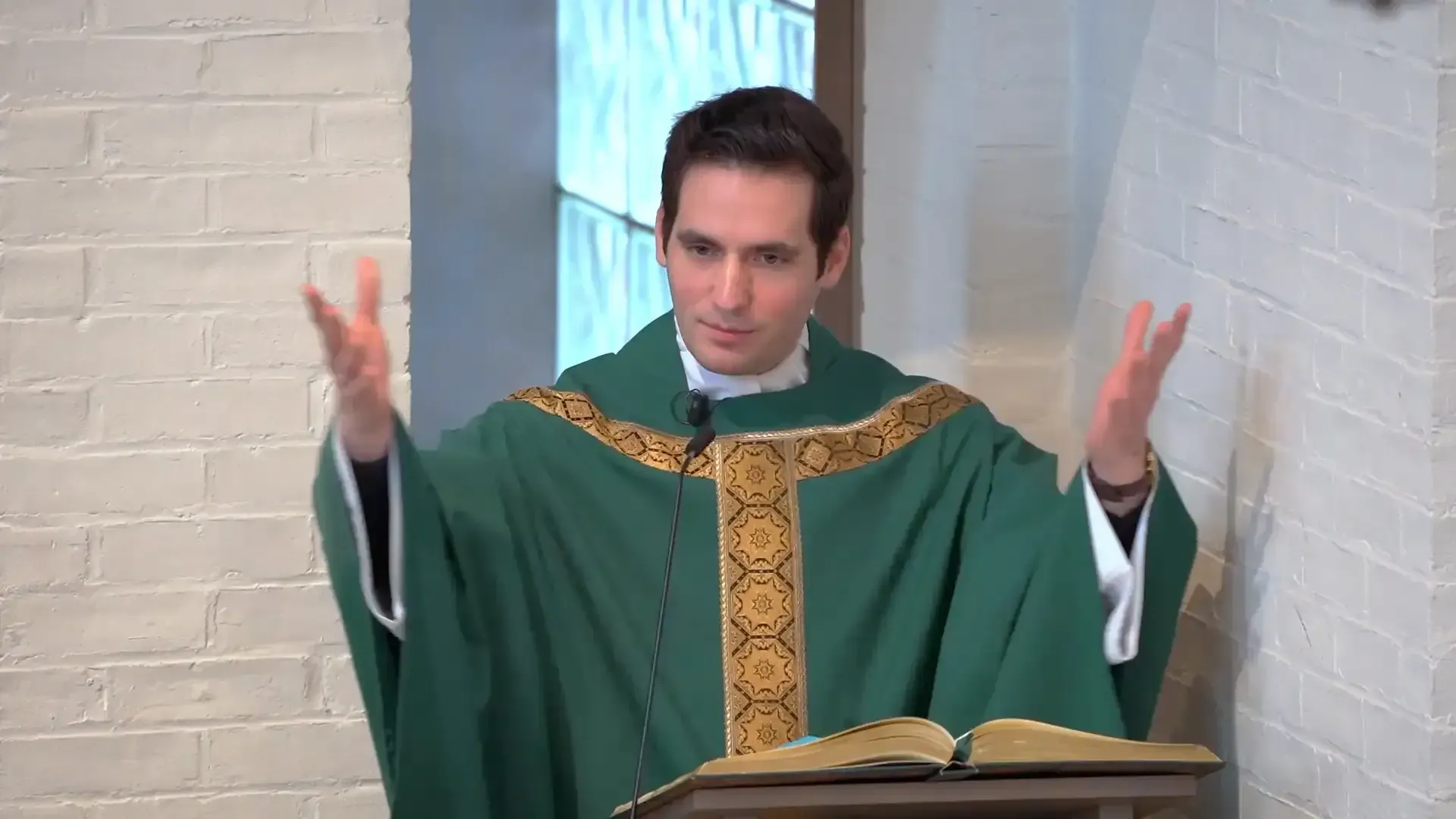
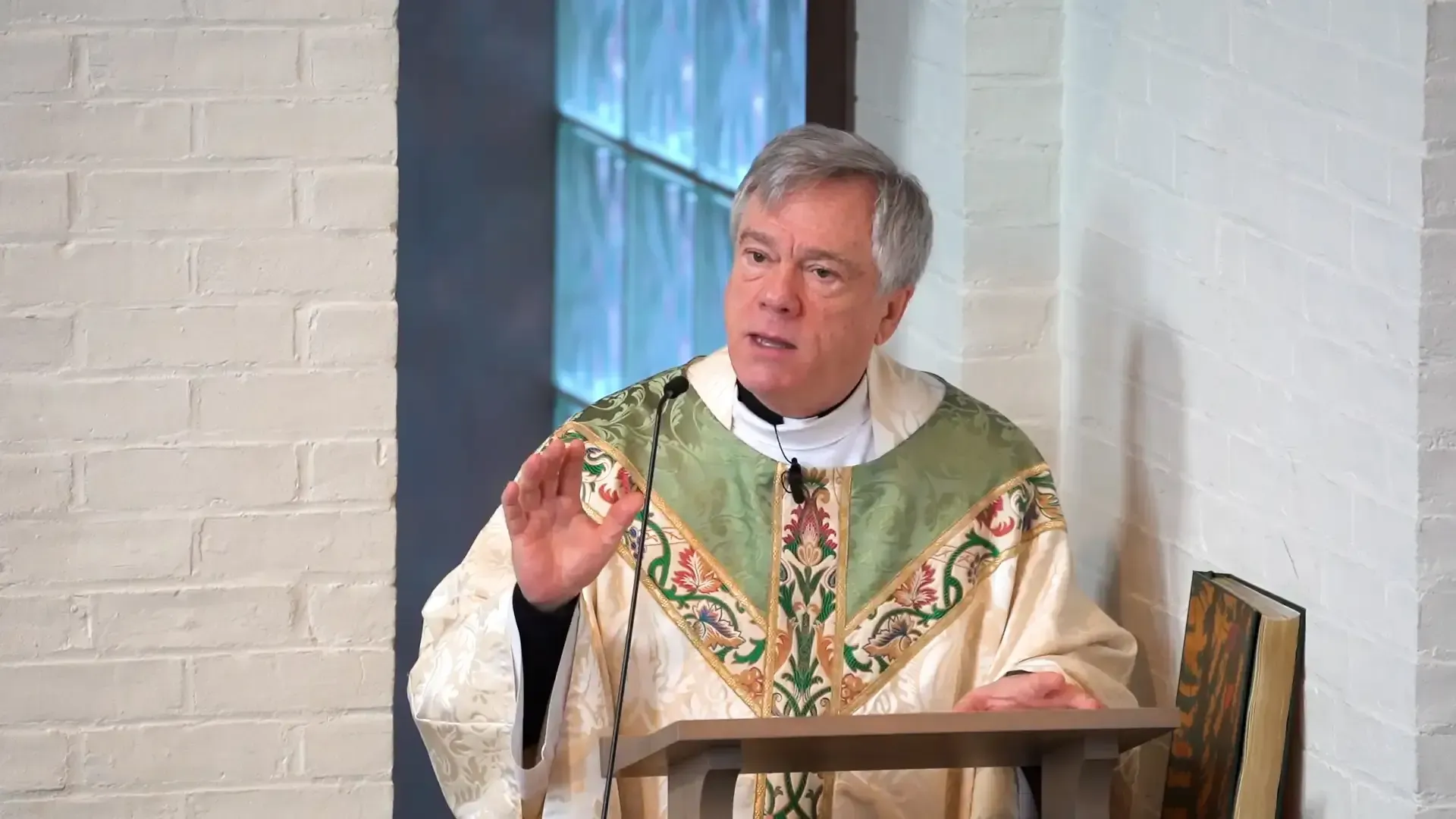
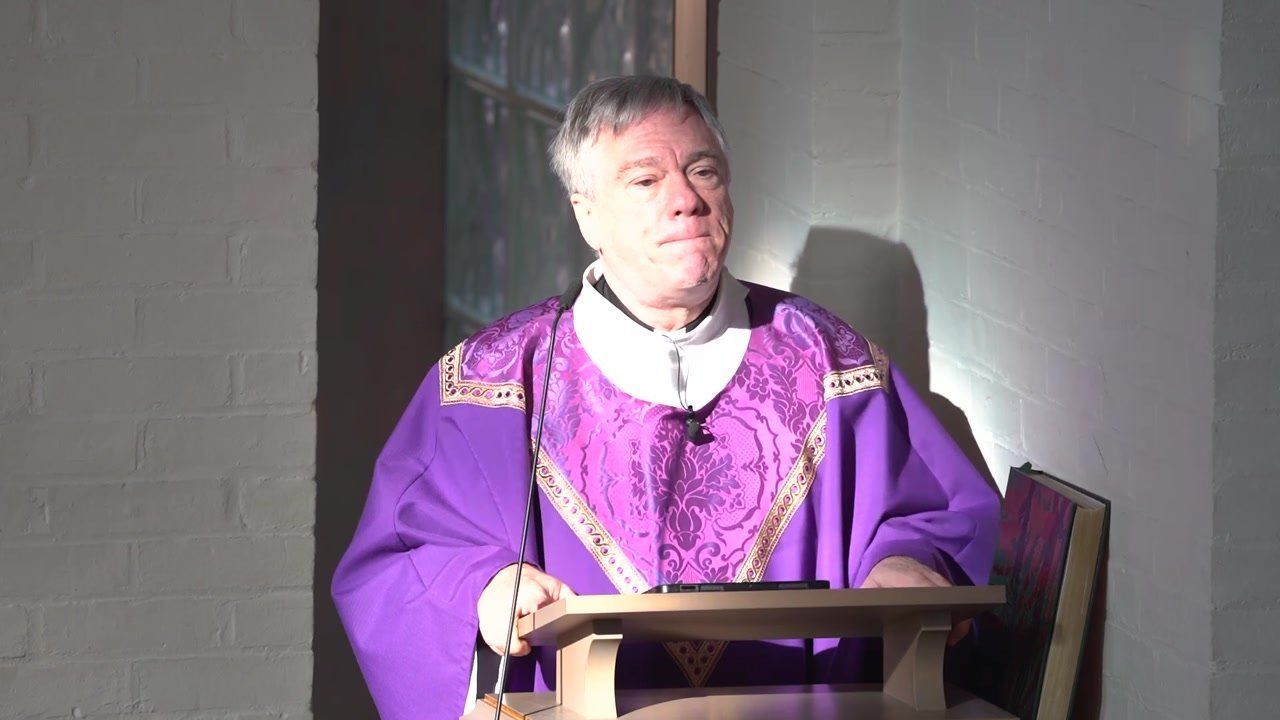
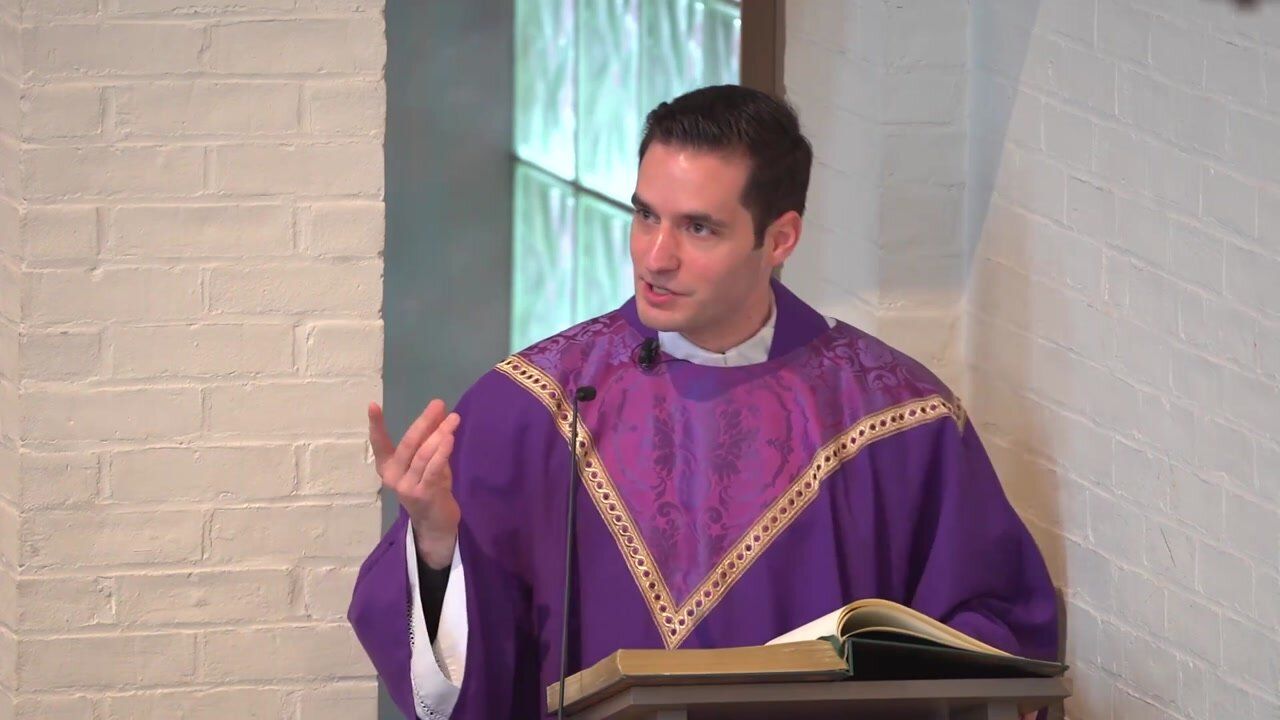
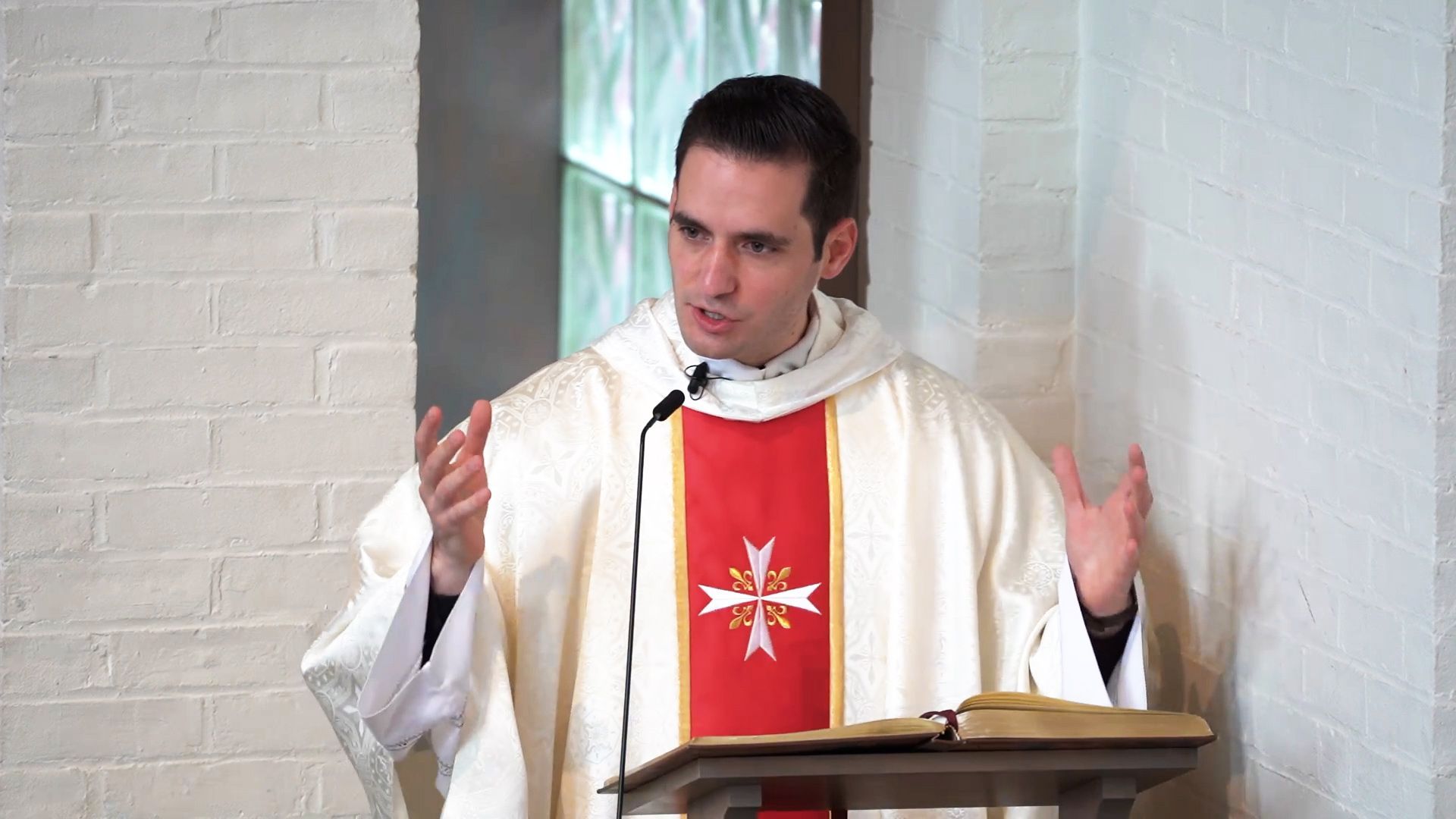
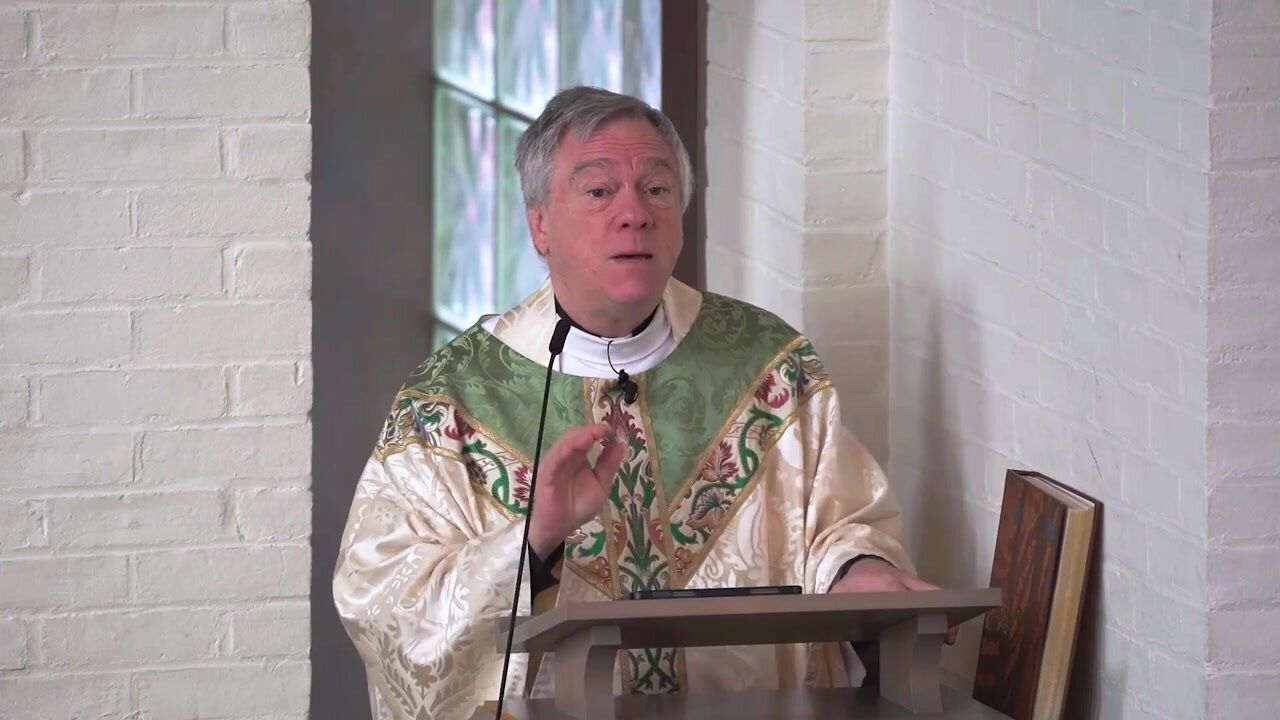
STM Homily-Reflection | Fr. Joseph MacNeill, Allan Esteron | October 04, 2026
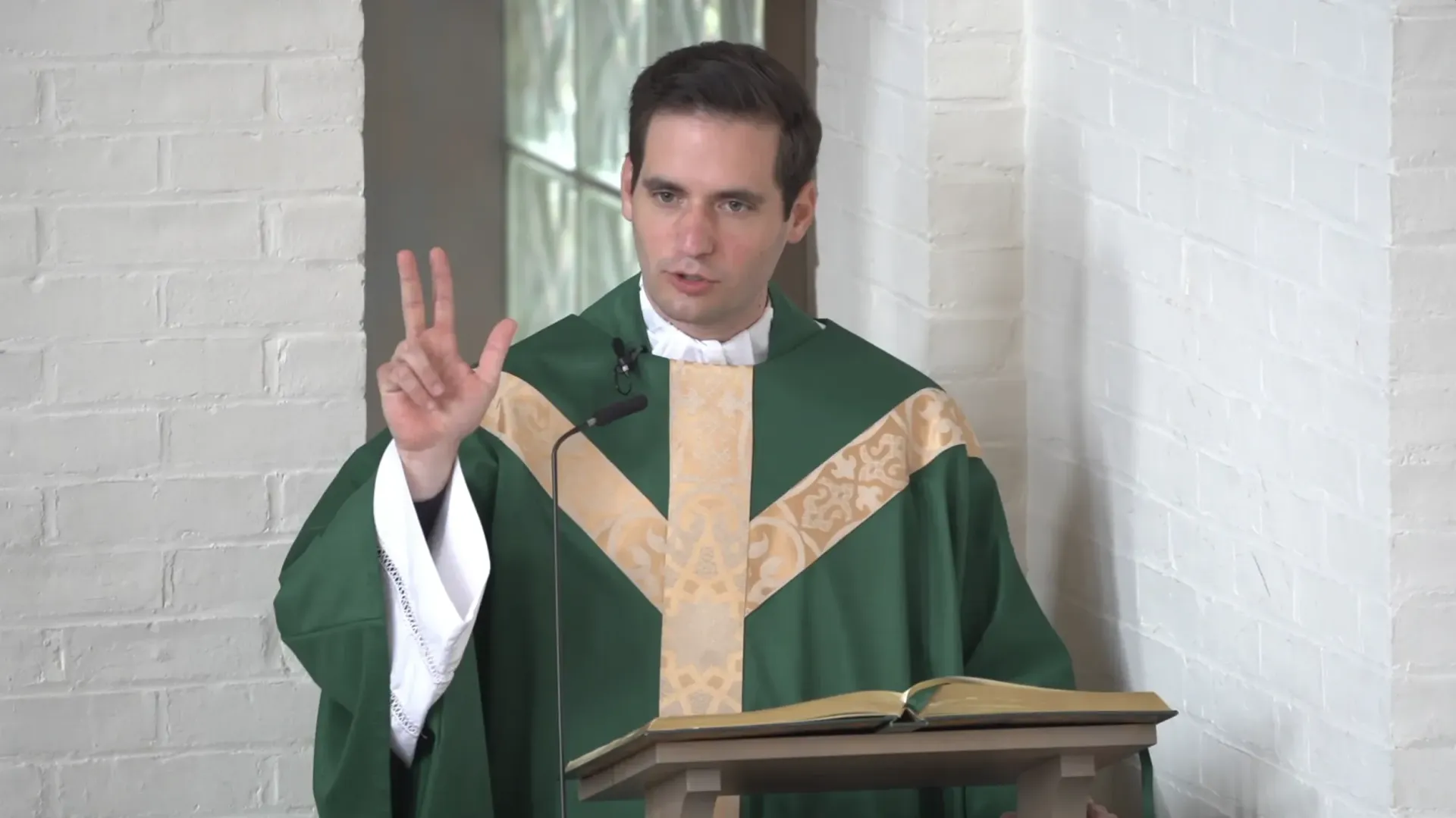
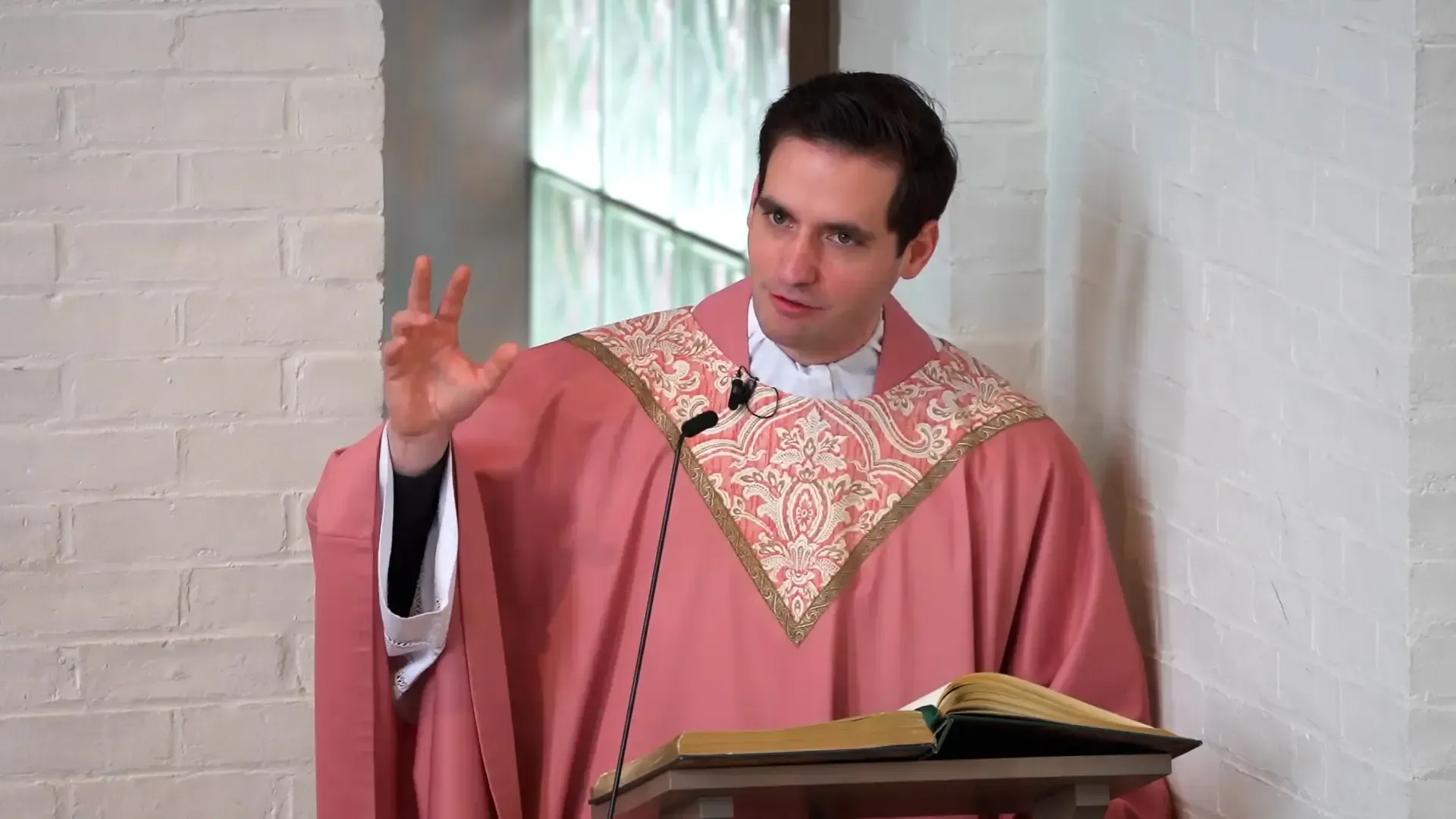
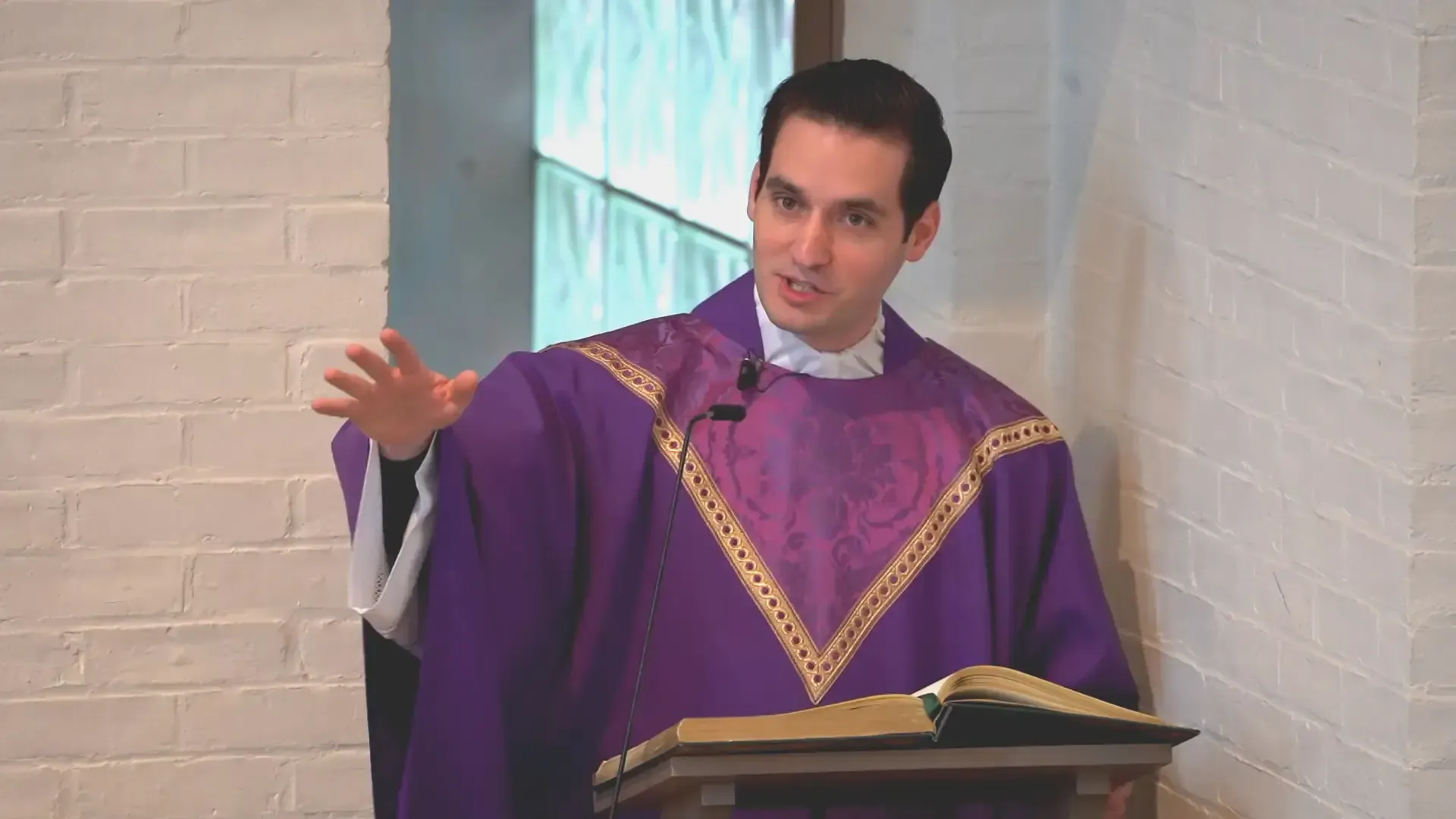
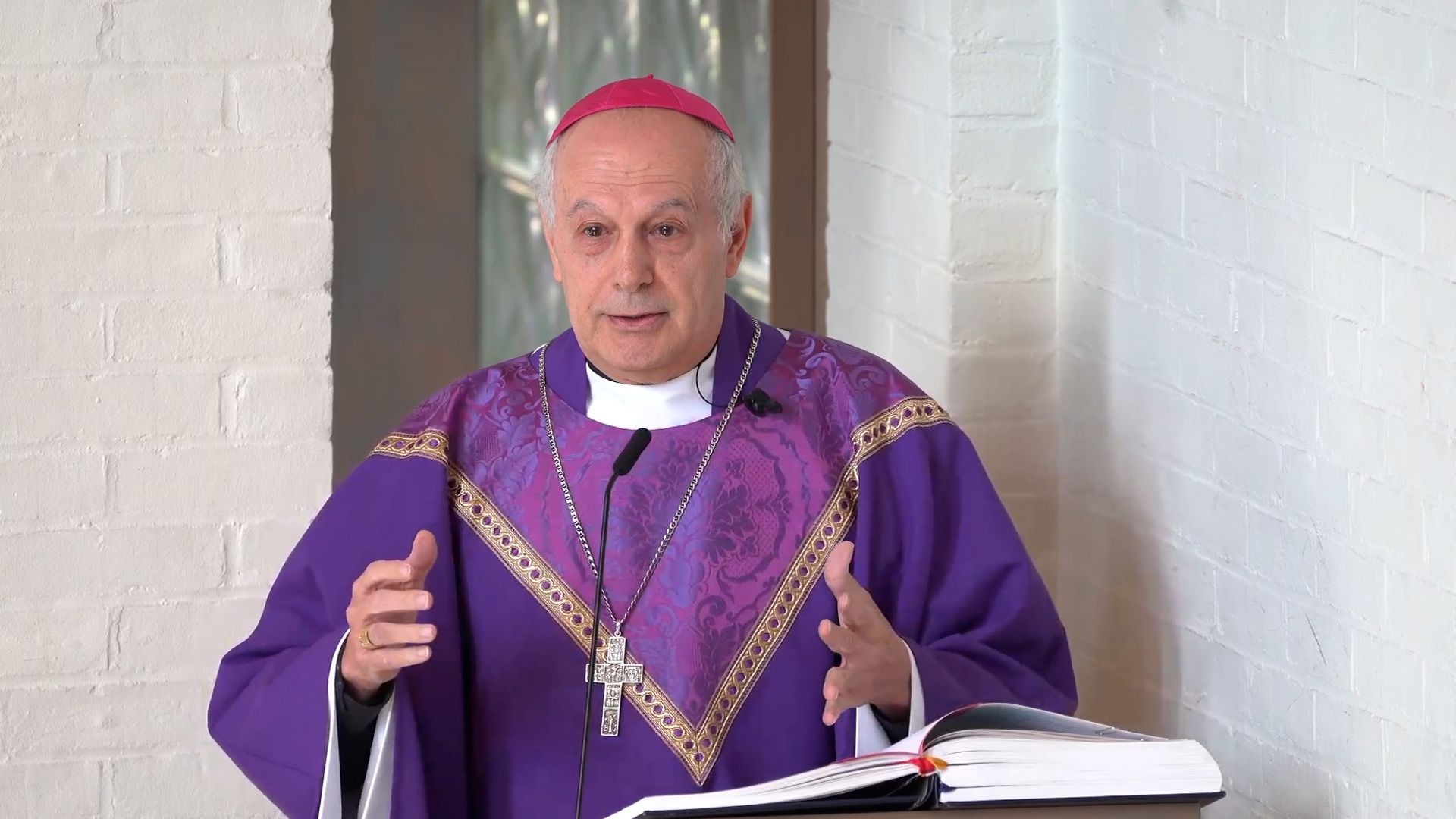
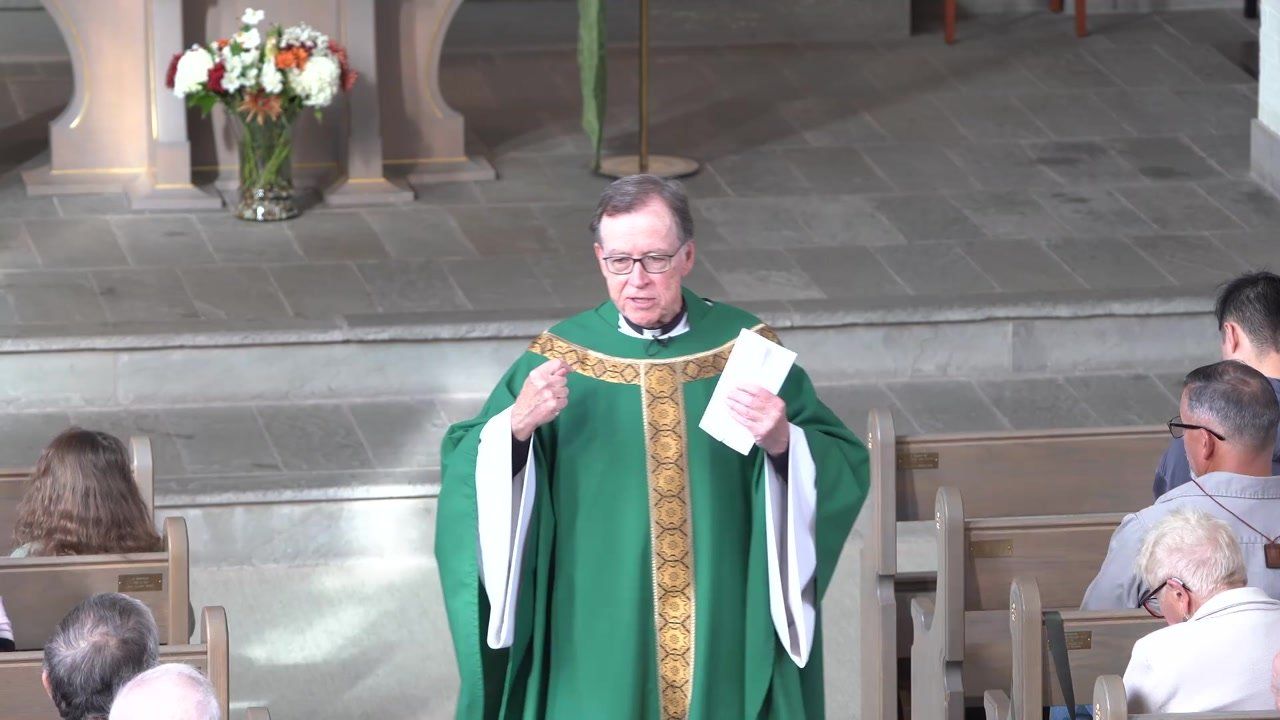
Have no anxiety at all. Thus speaks the Lord to us today through the mouth of Saint Paul the Apostle in our second reading. Have no anxiety at all, period. No strings attached, no questions asked. Could there be words more fitting for this community? As we wind our way towards the midpoint of the semester? As our hearts perhaps become yet more anxious and troubled, the Lord says, have no anxiety at all.
Some of us perhaps are scoffing at those words thinking okay Saint Paul is speaking down to us from some spiritual ivory tower isn't he? Saint Paul who had everything going for him he can say that to me but he doesn't know my circumstances my situation.
What was in fact the circumstance of St. Paul as he writes this letter to the Philippians? Was he in some ivory tower somewhere? No, in fact, he was in prison, most likely around the year 61 A.D. in the city of Rome, under house arrest, chained arm to arm to a Roman soldier, not knowing what would come next, with no freedom of movement, fearful for his very life. And yet, Paul says, have no anxiety at all.
What does this tell us, brothers and sisters? Even if our hearts be anxious and troubled, even if we find ourselves in the prisons of life, we can yet have, as Paul says, the peace of God that surpasses all understanding, and not just have that peace for ourselves. We can, like St. Paul, be purveyors of that peace to others.
How do we do this? Two ways. Paul tells us today, very simply in our reading. First, pray without ceasing. What is prayer? The raising of our heart and our mind to God throughout our day. We're mindful of God's presence. We think as he says on these things. What is true? What is honorable? What is just? What is pure? What is lovely? What is gracious? Think about these things. Raise your hearts and minds to God, he says. The first way we find that peace.
And the second, he says, give thanks in all circumstances. Again, period. No questions asked. No strings attached. The more we are mindful of the blessings we have in this life, especially those that we often overlook, those that seem rather small to us, the more we find that peace which surpasses understanding itself.
So we pray that the Lord may fill each one of our hearts with that peace, even in the midst of this time that tries our hearts and souls as we get towards the middle of the semester.
And one of our Assistant Chaplains, Allan Esteron, will offer at the end of this mass a reflection on the gospel passage for today.
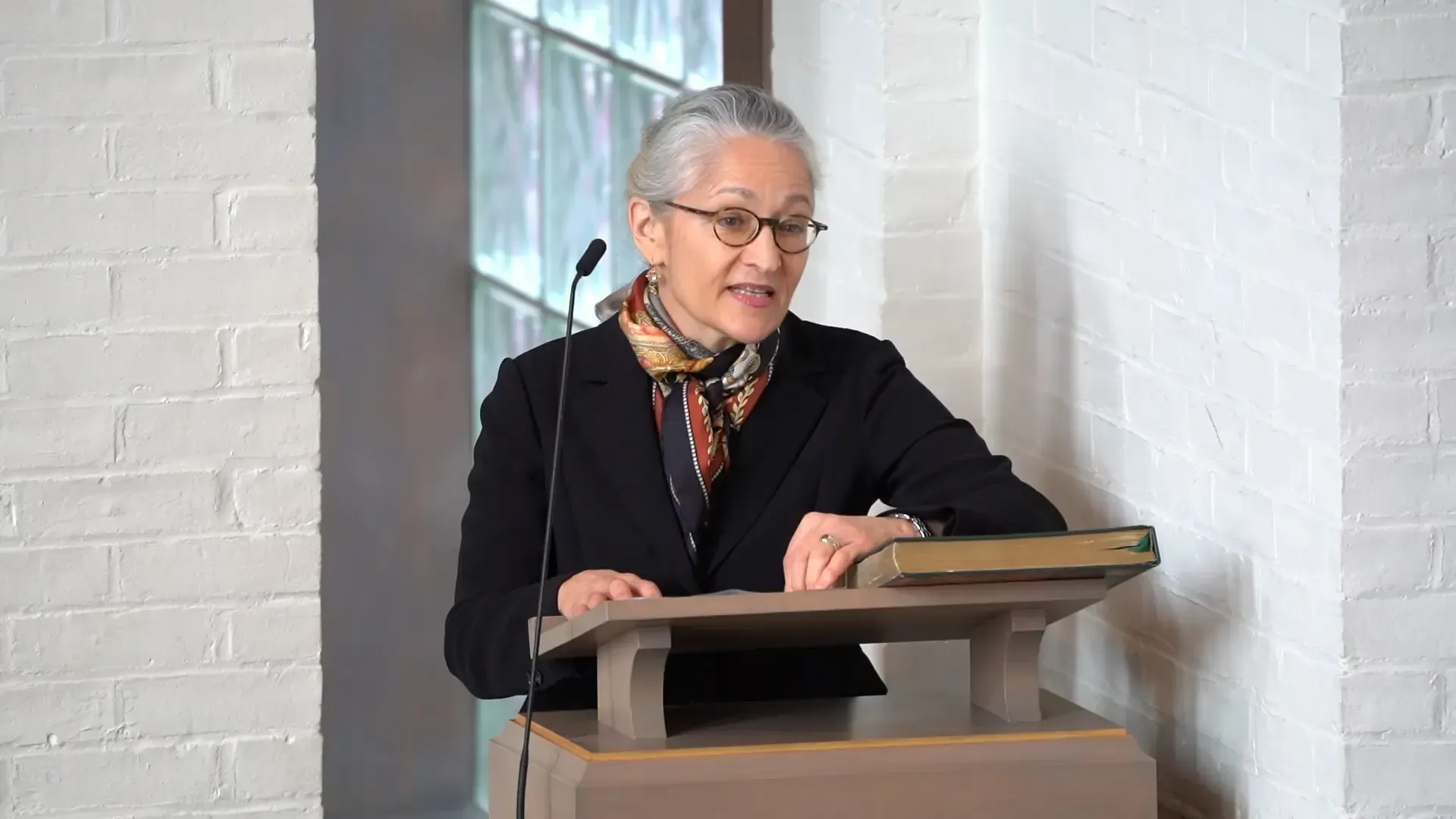
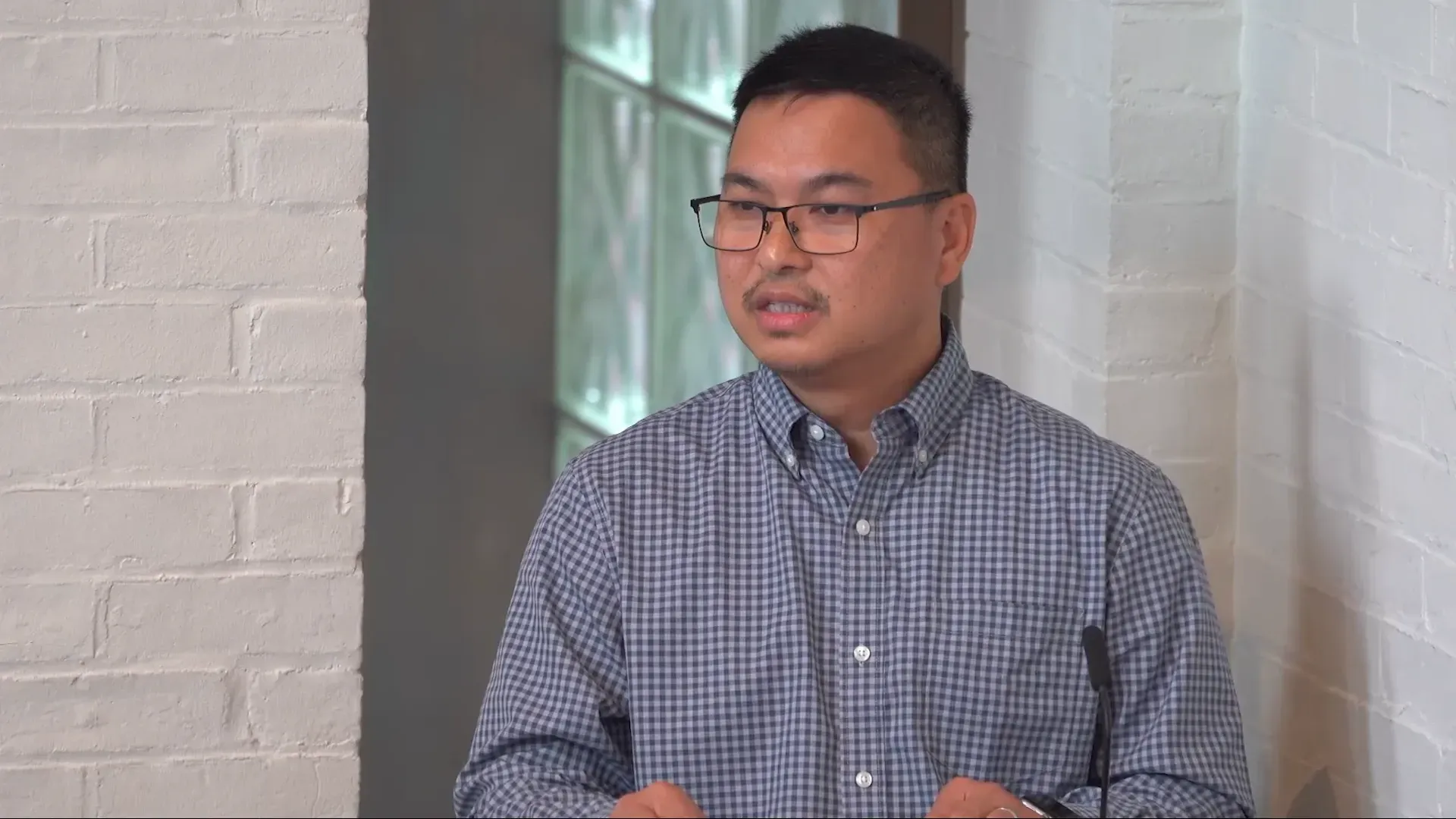
My Lola, or grandmother, is about to turn 103 this month. I have admired her in so many ways, but one thing that has always stood out to me is his relentless passion for gardening.
One day, our family bought a pomelo tree in the hopes of enjoying its juicy and citrusy fruit. My Lola planted it in a prime spot in her garden, kneeling in the dirt and vigorously digging a hole for it, making sure it sat in the direct path of the sun. Day after day, she tended to deplant, watering it twice a day against the punishing heat of the Philippine tropical climate. She kept the soil moist and carefully pruned away dead branches. But despite her faithful care, there was no pomelo to enjoy. Year after year, her care continued unabated, yet the tree bore no fruit. Then suddenly, after so many years of refusing to give up, the tree bore its very first fruit, the first of many to come. Lola's patient, unflinching care finally yielded a harvest.
In our first reading, Isaiah describes the same tenacious care through a friend who plants a vineyard on a fertile hillside. He spares no resource, spading the soil, clearing stones, planting choice vines, and building a watchtower and press. He anticipates a bountiful harvest, trusting that the cool mornings, refreshing rains, and hot Mediterranean sun would work together to ripen the red grapes. Yet despite this devotion, the vineyard yields only wild grapes. A heartbreaking disappointment. Bewildered and heartbroken, wondering how such wholehearted effort could yield bad grapes, The owner decides to remove the vineyard's protective hedge and wall and allowing it to be trampled and graced upon.
The text shifts dramatically, moving from a gentle, loving introduction to a jarring, severe outcome. From a tender song, it turns into a convicting indictment and a dire warning for the house of Israel and the people of Judah. It can be easy to fixate on the reaction of the vineyard owner, whom Isaiah reveals to be God. But while the threat of judgment is present here, the parable also invites us to glimpse God's loving repeated outreach, an invitation to intimacy and abundant fruitfulness in our lives. This is not a transactional business relationship focused merely on seeing an investment pay dividends. I say a song ultimately about God who loves deeply and personally. Rather than depicting a dispassionate God, it reveals one who works untiringly for growth. God is actively invested in our journey and spares no effort to create a space where we can all thrive.
This patient divine love shines through in today's gospel reading as well. The passage begins with the landowner who leases his fruitful vineyard to tenants. When harvest time arrives, he sends servants to collect the produce. The tenants beat one, kill another, and stone another. The landowner sends still more servants who suffer the same fate. Finally, he sends his own son, believing the tenants will respect him. Instead, he drags the son out of the vineyard and kills him.
The allegory is clear. The landowner is God. The servants are the prophets. The son is Jesus Christ. The vineyard represents the people of the covenant. and the tenants represents the leader of Israel, not the Jewish people as a whole. With danger so imminent, why the landowner sends his own son? The parable portrays the astonishing patience of God who sends his son even after the messengers have been rejected. Only a love infinite of death would give the Son even in the face of rejection, violence, and death.
That steadfast divine presence is precisely why St. Paul can make his bold declaration in today's second reading. Have no anxiety at all. Paul is not telling us to live in naive denial of life's genuine heartaches. We are routinely beset by personal struggles, illness, heavy trials, academic demands that seem to multiply by the minute, global crises that divide nations, and disasters that shatter local communities. There is certainly no shortage of valid reasons to be anxious. Yet Paul continues, have the peace of God that surpasses all understanding. Paul's confidence rests on the nearness and fidelity of the Lord. He does not deny the reality of suffering. He teaches us to bring every concern to God through prayer and thanksgiving, trusting that the peace of God can guard our hearts and minds in Christ Jesus.
This remarkable grace invites a response to open our hearts, cultivate the soil of our lives, and turn toward the one who never gives up on us.
How we respond matters. When we seize God's faithful invitation, we close ourselves off from the life and hope he offers. Responding to God's love naturally requires us to bear fruit. When Isaiah speaks of fruits of justice and righteousness, he reminds us that the fruit that God desires is never self -serving. The tenants in the gospel do not merely fail to share the fruit. They claim the vineyard as their own. Their failure is a refusal to recognize that everything entrusted to them ultimately belongs to the landowner.
True spiritual fruit is not meant to be kept to ourselves. It is meant to nourish others. Just as my Lola's pomelo tree eventually brought joy to our entire family, the fruits of our spiritual lives are meant to be shared with others.
We gather at this Eucharist to celebrate Christ's sacrifice, who gives himself to nourish our souls. The Holy Mass is God's constant tender tilling of our soil. As we prepare to step out of the chapel back into the world, we ask ourselves, what specific fruit is God asking us of us today? Perhaps you came into this academic year fully prepared to pursue your goals, only to find yourself struggling to keep your head above water. In the midst of that disappointment, can you still feel that God is your faithful companion, patiently tending to you? What kind of fruit might he be asking you to bear right now? Patience, humility perhaps, or quiet trust, even in the middle of a difficult situation.
St. Paul concludes his letter with a simple exhortation. Keep on doing what you have learned, received, heard, and seen in me. Then God of peace will be with you.
Let us keep leaning into the truth that God is our persistent gardener. He is tirelessly cultivating our lives, never ceases to call us to conversion and communion with him, and desires our true and ultimate good. May we trust his patient hands, surrender our anxieties, and allow his unflinching love to bear abundant fruit in us.
Homily Archive